Is Chilli Oil Safe During Pregnancy?
Important: This article is general information for curiosity and kitchen context. It is not medical advice, and it does not replace guidance from your doctor, midwife, or qualified antenatal care team. If you are pregnant and unsure about spicy foods, ask your clinician about your specific situation.
Many people continue to enjoy mild to moderate chilli flavours during pregnancy, while others find heat triggers heartburn or nausea. Capsaicin — the compound that makes chilli feel hot — is a food component, not an automatic danger signal, but comfort and personal tolerance matter a lot. The practical approach is portion control, food-safety basics, and listening to your body.
Key Takeaways
Not medical advice: Individual medical guidance always comes first.
Heat tolerance varies: Pregnancy can change reflux and digestion; spicy food that felt fine before may feel different now.
Portions help: A small spoon of chilli oil on a full meal is different from large amounts on an empty stomach.
Food safety still matters: Use clean utensils, store jars properly, and avoid homemade infused oils with unclear safety practices.
Capsaicin and Pregnancy — The Practical View
Spicy foods are common in many cultures throughout pregnancy. Capsaicin can cause a burning sensation and may worsen heartburn for some people because pregnancy already increases reflux risk for many. That does not automatically mean chilli oil is “unsafe,” but it does mean comfort can change trimester by trimester.
If spicy food makes you unwell, skip it. If small amounts still feel good and your care team has not advised otherwise, moderate seasoning is a quality-of-life choice for many expecting parents.
Heartburn, Nausea, and Portion Reality
Chilli oil is rich and aromatic. Richness plus heat is a classic heartburn trigger when portions are large. Practical tips people often find useful (again — not prescriptions):
Use a half teaspoon first and wait.
Pair chilli oil with carbs and protein rather than eating it straight.
Avoid late-night spicy feasts if reflux is already an issue.
Choose familiar jars with ingredients you tolerate well.
Food Safety Notes for Chilli Oil
Separate the spice question from the storage question. Commercial chilli oils from reputable producers are made as shelf-stable or fridge-friendly condiments with standard food manufacturing controls. Homemade garlic-in-oil projects are a different food-safety conversation and can be risky if done casually.
During pregnancy, sticking to commercial products you trust, using clean spoons, and following label storage directions is the conservative kitchen approach.
Prefer a known commercial jar?
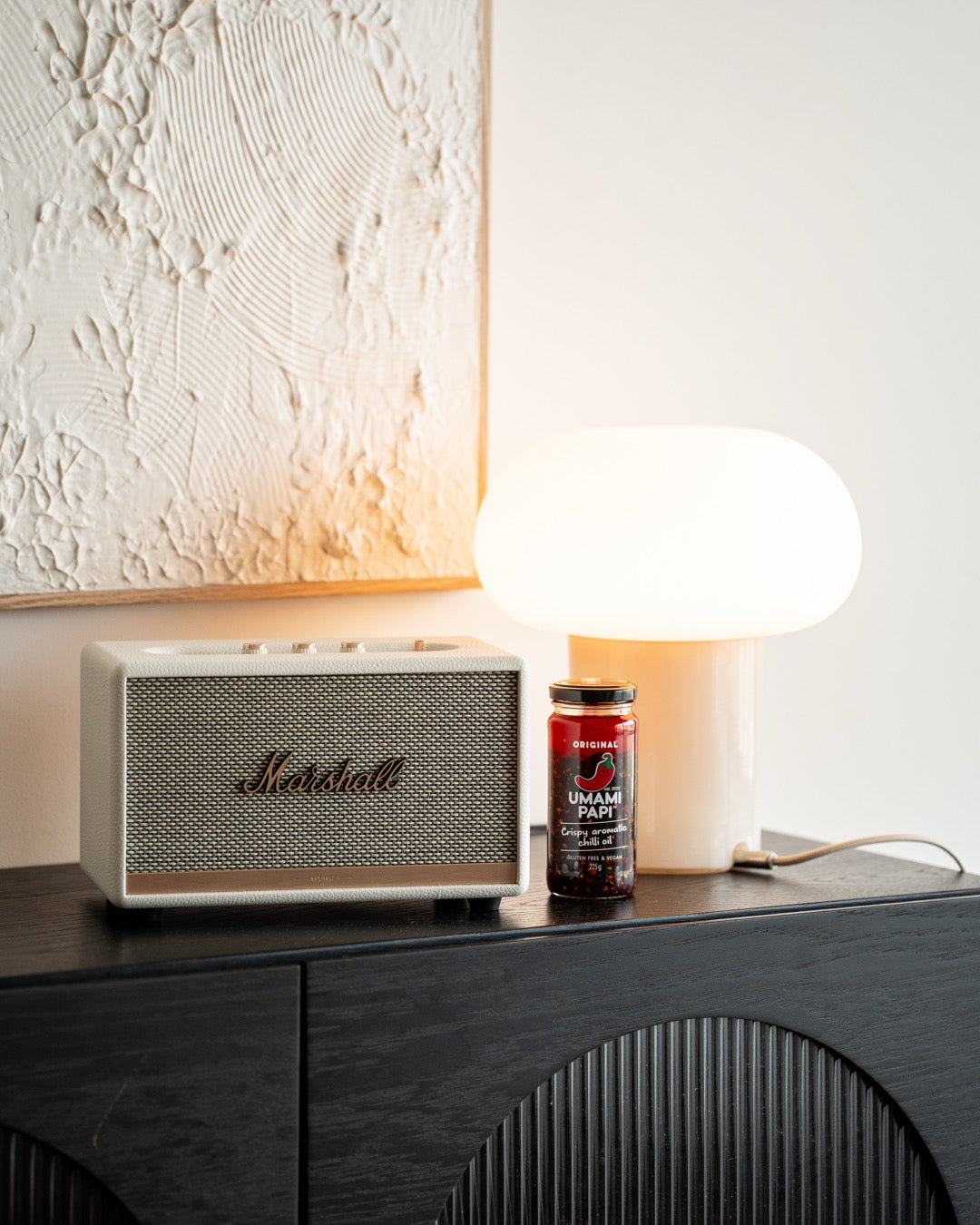
If your clinician says spicy condiments are fine for you, UmamiPapi Chilli Oil is a straightforward spoonable option — still in measured portions.
When to Be Extra Cautious
Seek personal medical advice promptly if you have been told to follow a special diet, if spicy food causes significant pain, vomiting, or worrying symptoms, or if you have conditions where your care team has already flagged trigger foods. Online articles cannot know your history.
FAQ
Can I eat chilli oil while pregnant?
Many people do in moderation, but it depends on your comfort and clinical advice. Ask your doctor or midwife if you are unsure.
Does spicy food harm the baby?
This is a question for your antenatal care team. Culturally, spicy food is widely eaten in pregnancy; individual medical context still matters.
Why does chilli give me heartburn now?
Pregnancy commonly increases reflux. Capsaicin and rich oils can aggravate that sensation for some people.
Is chilli oil safer than hot sauce when pregnant?
Neither is universally “safer.” Ingredients, portions, and your symptoms matter more than the category name.
What if I have gestational conditions or dietary restrictions?
Follow the plan from your healthcare providers. Do not use blog guidance to override clinical instructions.
Pregnancy changes how food feels. If chilli oil still sits well in small amounts and your care team is comfortable with it, measured spoonfuls can remain part of enjoyable meals. If not, there will be plenty of time for heat later. It is time you prioritised advice from humans who know your file.
Reminder: educational content only — not medical advice.
Cooking for flavour in measured spoons
When you have the all-clear for spicy condiments, keep portions thoughtful and ingredients clear.