The Chemistry of Flavour - A Guide to Making Food Taste Incredible
The difference between a bland meal and an unforgettable one isn't magic. It's chemistry. If you follow recipes but the food still tastes flat during your cooking, it's because you're missing a few key scientific principles. This guide is a no-BS blueprint to the science of creating incredible meals, covering the three pillars of taste, aroma, and sensation, and the chemical reactions you can use to make food pop every single time.
Key Takeaways for Incredible Tasting Meals
-
Understand the 3 Pillars: The full experience is a system that combines Taste (on your tongue), Aroma (what you smell), and Sensation (like crunch or heat). Bland food is often missing one of these pillars.
-
Create Complex Profiles with the Maillard Reaction: Brown your food by heating it above 140°C. This chemical reaction creates hundreds of new, complex aroma compounds and a distinct volatile flavour.
-
Add Savoury Depth with Umami: Use umami-rich ingredients or its purest form, MSG, to add a deep, savoury foundation that makes any dish taste complete and satisfying.
-
Use Fat as a Carrier: Many fat-soluble compounds need oil or fat to properly partition and be tasted.
How Taste and Volatile Compounds Combine In The Science of Flavour
The biggest mistake is thinking "experience" and "taste" are the same. They aren't. Your flavour perception is the total sensation your brain creates by combining signals from three different pillars. If a dish is bland, it's because one of these is weak or missing. A deep understanding of this is the first step in flavour science.
|
The Pillar |
What It Is |
Its Job in Your Food |
|
1. Taste |
The five basic signals your tongue detects: sweet, sour, salty, bitter, and umami. These are your non-volatile compounds. |
Umami provides the deep, savoury, mouth-watering feeling that makes food satisfying. |
|
2. Aroma |
The smells detected by your nose. As you chew, volatile aroma molecules travel up the back of your throat to your olfactory system. |
This accounts for up to 90% of the experience. The reality is that taste is just one part, with the smell components and your nose detecting chemicals found in the air as you chew. It's why food tastes like nothing when you have a blocked nose. |
|
3. Sensation |
The physical feelings in your mouth, including the burn from a chilli oil, the cooling of mint, and the texture of crunch. |
The sound of a crunch signals 'freshness' to your brain and provides a satisfying contrast to soft foods. |
Engineering an Experience with Science By Flavour Research in Practice
An incredible result doesn't happen by accident. It's engineered. Understanding these two chemical reactions will completely change the approach to food and pairing chemistry. This is where you go from home cook to kitchen legend.
Technique 1: Use the Maillard Reaction for Depth
Browning food is the easiest way to create serious depth from scratch. The Maillard reaction is the scientific name for what happens when you heat ingredients above 140°C. This triggers a chemical reaction between amino acids (from things like protein) and sugars (from things like starch), creating hundreds of new molecules in foods.
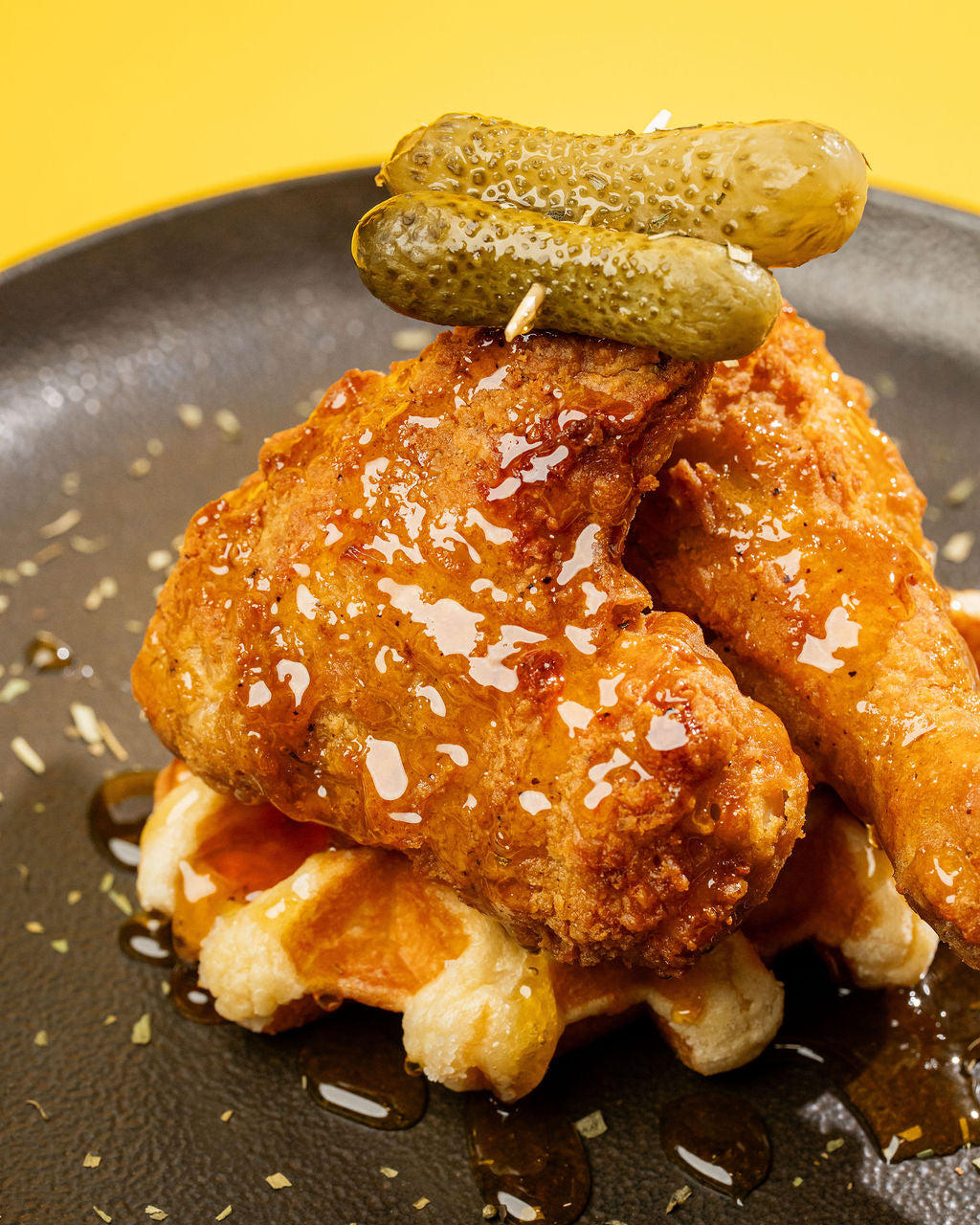
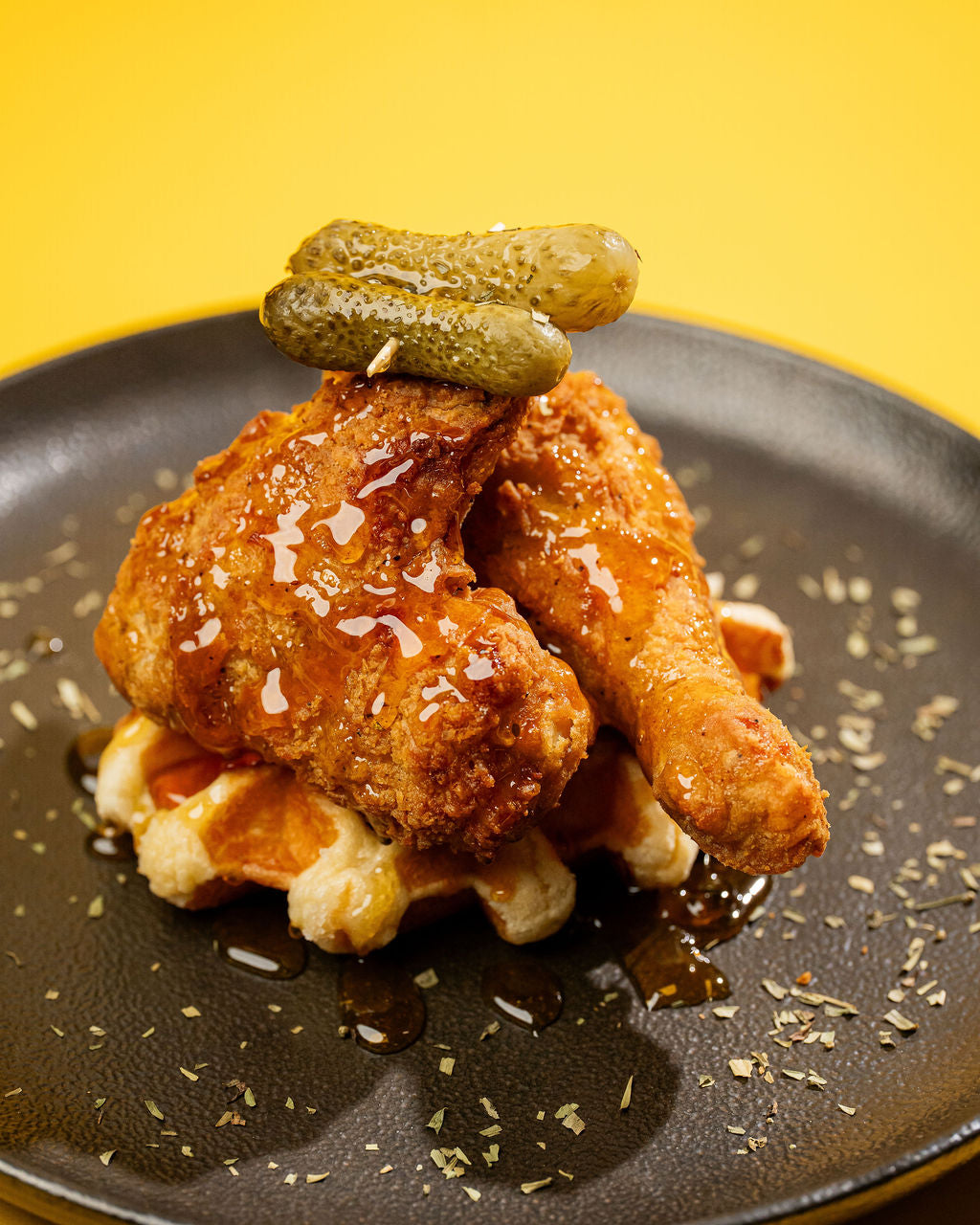
That's why a seared steak with a dark crust tastes a million times better than a grey, boiled one. You're not just applying heat. You're playing God with deliciousness by creating entirely new nutty, roasted, and savoury notes that didn't exist when it was raw. The Maillard reaction is fundamental to making truly great food.
Technique 2: Use Umami to Create Deep Satisfaction
The second technique is to ensure your dish has a strong umami foundation. We engineered our Chilli Egg Mayo to have the perfect savoury kick. Umami is the savoury "fifth taste" triggered by glutamates. The most efficient way to add it is with Monosodium Glutamate (MSG). The "Chinese Restaurant Syndrome" myth from 1968 has been thoroughly debunked. Food authorities like Food Standards Australia New Zealand (FSANZ) confirm it's completely safe to eat.
Using MSG is about following today's science, not yesterday's fear, to make the best meal possible.
A Cheat Code On Kitchen Best Practices
You don't need a chemistry degree to apply this science. You just need a few simple hacks.
Hack 1: Use a Complete System
Instead of trying to balance a dozen different spices, a great shortcut is to use one tool that provides all three pillars of the sensory experience at once. Save money and buy the Bundle Collection. Carry your jars properly in the Tote-ally Hot Bag. A well-made, crunchy chilli oil is a perfect example, as its mixture is engineered to deliver:
-
Taste: A deep umami foundation.
-
Aroma: A complex blend of infused aromatics, releasing delicious volatiles.
-
Sensation: A satisfying, audible crunch.
Hack 2: Add Character Back to Processed Foods
Modern food processing often strips out the delicate aroma compounds that make food taste good. Pre-cooked chicken or instant noodles are often "blank canvases." When flavour-active molecules are released, everything changes. The fastest way to reintroduce those missing flavour molecules and add back aroma and texture is with a spoonful of a complete condiment that delivers all three pillars.
Your Burning Questions on Food Flavour and Science
What's the difference between taste and the full experience?
The difference is that taste happens only on your tongue, while the full experience is a combination of taste, aroma, and sensation. Your taste buds detect just five basic tastes: sweet, sour, salty, bitter, and umami. Your brain then creates the complete sensation by combining those tastes with what you smell (aroma) and feel (sensation, like crunch or heat). Get that sweet, sticky heat with Umami Papi Hot Honey. For example, a strawberry and a raspberry have a similar sweet/sour profile, but their unique aromas create completely different final flavours. Think of the difference between strawberry and vanilla.
How does the Maillard reaction create its magic?
The Maillard reaction creates its results by forming hundreds of new chemical compounds that weren't present in the raw food. When you heat ingredients containing amino acids and sugars above 140°C, they react to produce a range of complex flavour molecules. This is what creates the desirable "browned" notes in food, such as the nutty profile of a seared steak, the roasted character of coffee, or the crust of baked bread.
Why is smell so important for how we perceive food?
Smell, or aroma, is crucial because it's responsible for up to 90% of our flavour perception. This process is called retronasal olfaction. As you chew, aromatic molecules from the food travel up the back of your throat into your nasal cavity. While your tongue only detects five basic tastes, your nose can identify thousands of different aromas, which your brain combines with taste signals to create a complete and nuanced profile.
What are some natural sources of umami?
Natural sources of umami are foods that are high in the amino acid glutamate. Some of the most potent and common sources include:
-
Vegetables: Ripe tomatoes (especially cooked into a paste), mushrooms (particularly dried shiitake), and seaweed (kombu).
-
Cheeses: Aged hard cheeses like Parmesan and Pecorino Romano.
-
Fermented Products: Soy sauce, miso paste, and fish sauce.
-
Cured Meats: Prosciutto and bacon.
Is MSG bad for you according to science?
No, according to decades of scientific and flavour research, MSG isn't bad for you. Major food safety authorities, including Food Standards Australia New Zealand (FSANZ), have reviewed the evidence and confirmed that MSG is safe for the general population to consume. The negative reputation stems from a single, unscientific letter from 1968 that has been totally debunked by modern science. It's ancient history. MSG is simply the sodium salt of glutamic acid, an amino acid found naturally in many foods we eat daily.
You've got the blueprint to the chemistry of flavour. This isn't just theory. It's the exact science we used to build a business. If you want a reliable shortcut, a tool designed with this chemistry in mind is the ultimate cheat code. Experience the crunch yourself with the Original Chilli Oil Large.
Shop The Shortcut
You've got the manual, now get the tool. Upgrade your entire pantry instantly through our Sauces Collection. Grab a bundle and start ruining bland food forever. It's that easy.