Can You Fry With Chilli Oil? A Guide to Smoke Points & Flavour
So you've got a jar of top-tier chilli oil. Most people stop at using it as a finishing drizzle. That's a solid start, but you're leaving flavour on the table. The real game begins when you understand what happens when you start frying with it. This guide isn't about fancy techniques, it’s about the core principles of frying with this liquid gold. We'll break down how temperature and a little bit of know-how can impact its flavour and texture, turning it from a simple topping into a secret weapon in the kitchen.
Key Principles For Frying With Chilli Oil
-
Temperature is everything: The most important rule is that the crispy solids, like garlic and chilli flakes, are delicate. They burn easily at high heat, producing a bitter flavour that ruins the dish. Managing the smoke point is non-negotiable.
-
It has two main uses: You can use chilli oil at the start of cooking, over low heat, to build a deep, infused flavour base. Or, you can use it as a finisher after cooking to add that fresh aroma and addictive crunchy texture.
-
Combine methods for next-level results: Real mastery comes from using the oil both during a gentle cook and as a final garnish. This creates layers of flavour and texture that make a dish truly unforgettable. You can pan-fry or bake with it, but you need to know the rules.
The Core Principle Of Managing The Oil's Smoke Point
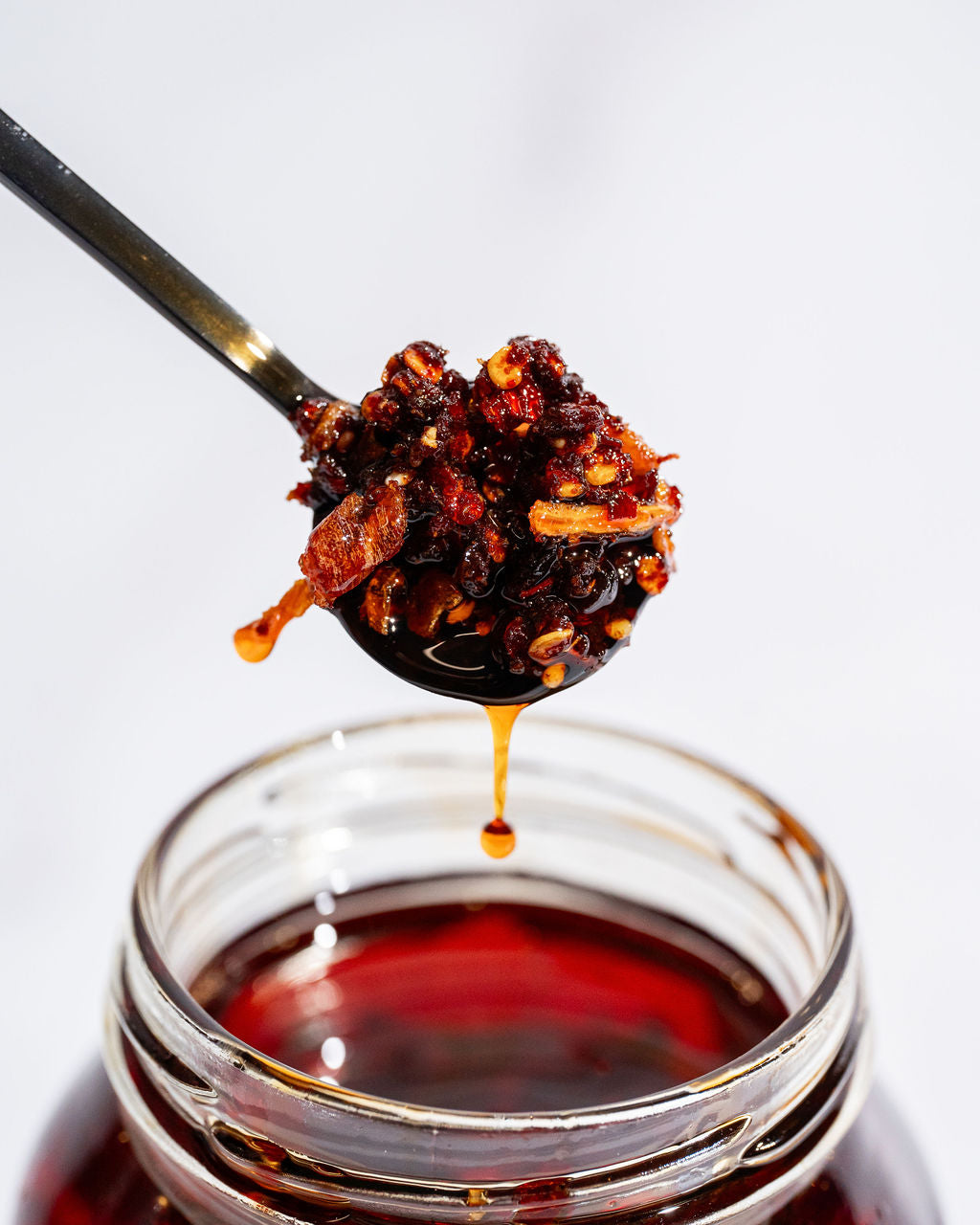
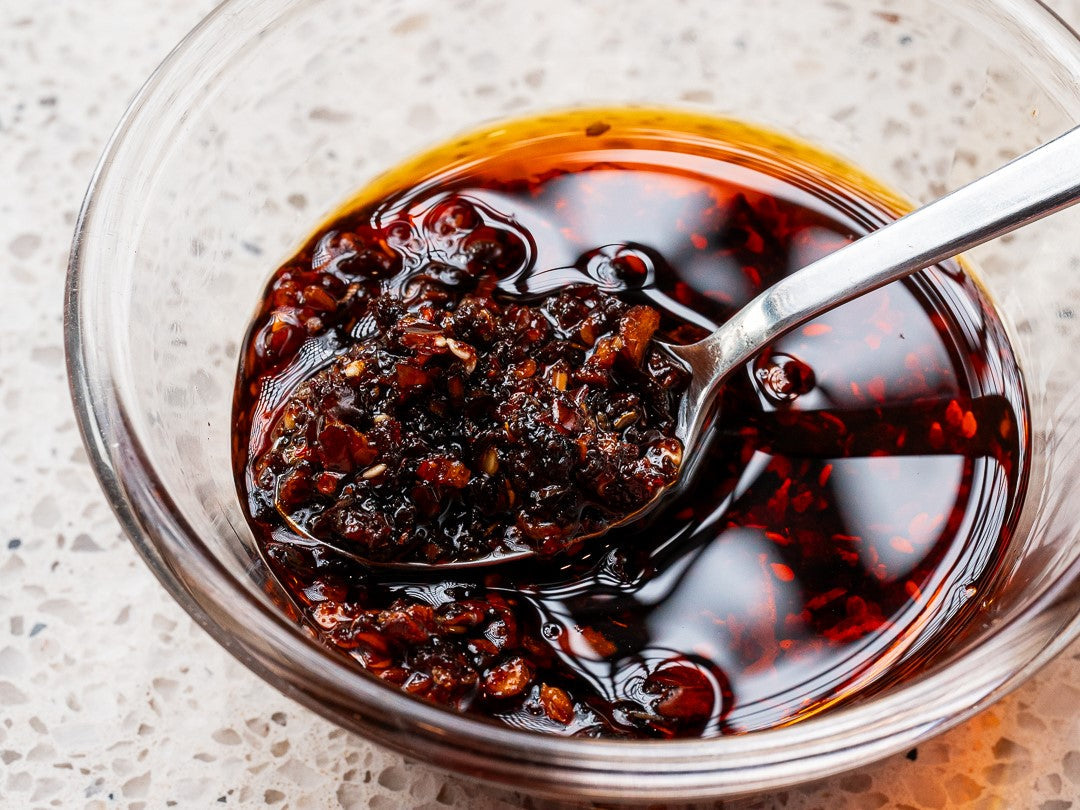
The first thing to get your head around is that the base oil and the crispy bits within it are two different beasts under heat. While the base oil (in our case, 100% Australian Canola Oil) is stable, the crunchy solids are the real heroes: the pieces of fried chilli, garlic, and shallot that make a crispy chilli oil what it is. And they are extremely delicate.
Why this matters: The main goal when frying with chilli oil is to stop these solids from burning. Once they go black, they release a bitter, acrid flavour that contaminates the entire dish. Ignore the smoke point, and you are not cooking but conducting a bitter-tasting science experiment gone wrong. The only fix is the bin, and nobody wants that. The thermal stability of refined oils is generally higher, making them suitable for different cooking methods and effective oil management in the kitchen.
The "Sizzle" Application By Low-Heat Infusion & Flavour Building
The "Sizzle" isn't about aggressive frying, it's a technique for gently heating chilli oil to infuse its soul into your food. This method is perfect for ingredients that cook at lower temperatures, like eggs, dumplings, or tofu, or for gently sautéing aromatics for a sauce base. This is where you get that deep, savoury character infused right into your ingredients, not just sitting on top.
The "Drizzle" Application By Finishing After High-Heat Frying
The "Drizzle" is exactly what it sounds like: applying chilli oil after the high-temperature cooking is done. This method is built for dishes that need a serious sear or intense heat, like a steak, deep-fried chicken, or freshly roasted potatoes. You get all the flavour and crunch without any of the risk. This is the most common use for a chilli crisp style condiment.
Understanding the Outcome
Negative Outcome: Direct High-Heat Cooking
Putting chilli oil in a cast-iron skillet hot enough to sear a steak means it will instantly hit its smoke point and begin smoking. The solids will burn, creating a bitter crust on the food and wasting a perfectly good scoop of oil.
Positive Outcome: Finishing Like a Pro
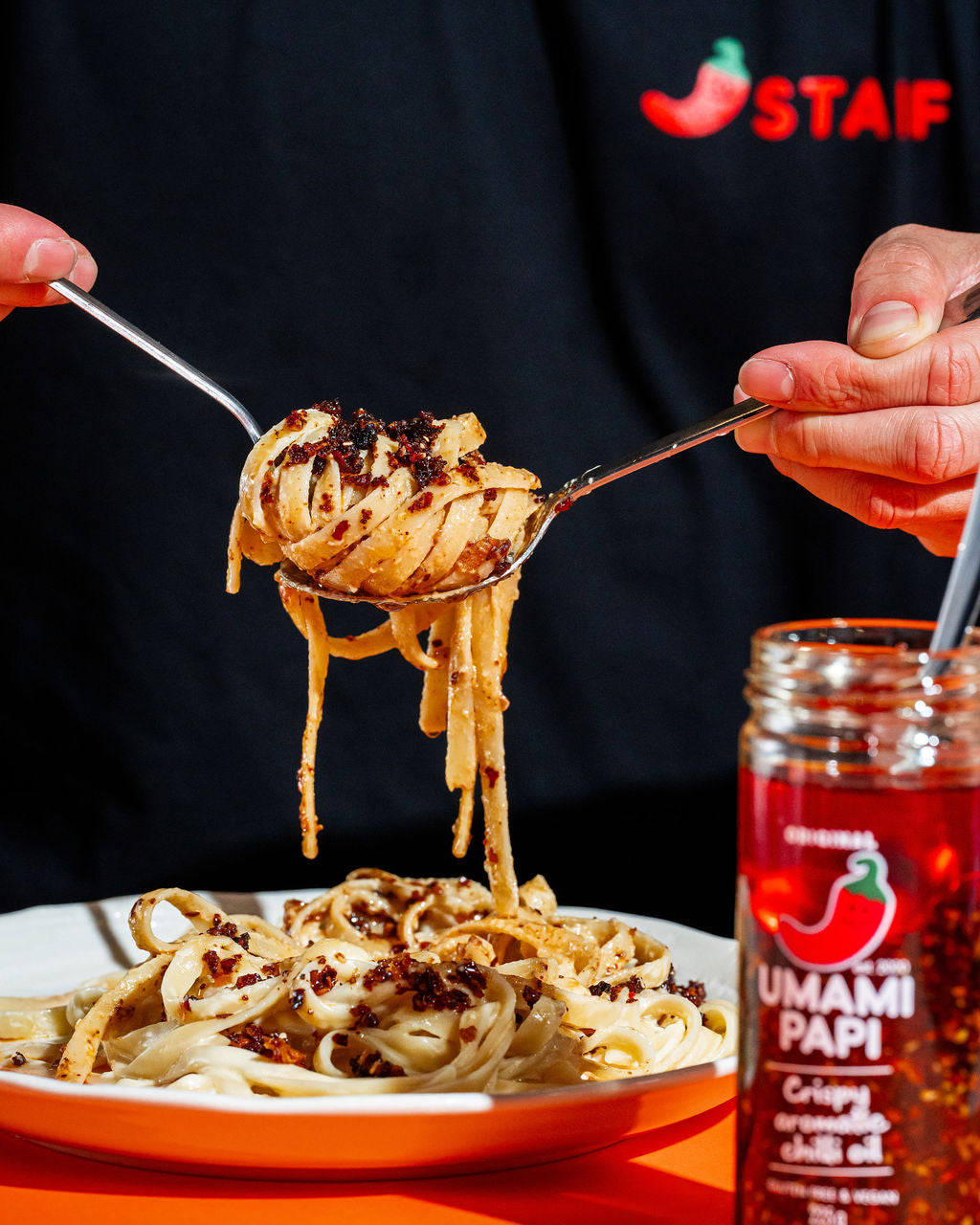
Searing that steak in a neutral oil with a high smoke point. Once cooked, pull it from the pan to rest. It’s still piping hot. Now, drizzle the chilli oil over it. The food's residual heat gently warms the aromatics, releasing their full flavour and adding that perfect, crunchy texture. No burning, no bitterness.
Ready to Put This Into Practice?
You know the difference between a sizzle and a drizzle. Now it’s time to make it happen. Our original chilli oil was made for this.
Common Misconceptions About Frying With Chilli Oil & Its Smoke Points
To really master using different cooking oils, let's clear up a few common mistakes. Thinking you can deep-fry with this stuff is a rookie move. We're here to help you skip that part of the learning curve and get straight to the good stuff. Our full chilli oil collection gives you plenty of options for making the perfect sauce that adds a real punch.
Misconception 1: It Can Be Used for Deep-Frying
Absolutely not. Chilli oil is a terrible choice for deep-frying. The solids will turn to black, bitter ash long before the food is cooked through. The correct technique is to deep-fry in a suitable high smoke point oil, like a refined canola or peanut oil, and then apply the chilli oil once the food comes out of the fryer, is drained, and is still hot.
Misconception 2: It's Safe for All High-Temperature Roasting
It depends on the temperature. It works beautifully for moderate-temperature roasting (around 180°C), but cranking the heat to 220°C or more is asking for trouble. The solids will burn. For high-heat roasting recipes, the solution is simple: use a neutral cooking oil for most of the cooking time. Then, in the final 5-10 minutes, add the chilli oil to coat everything. You get the flavour without the heartbreak of burnt bits.
Frequently Asked Questions About Cooking With Chilli Oils
Will High Heat Destroy MSG Flavour?
No, high heat does not destroy the flavour of MSG. Monosodium glutamate is a remarkably heat-stable compound. This means it retains its savoury, umami characteristics during common cooking methods such as sautéing, pan-frying, deep-frying, or simmering. In fact, the cooking process helps infuse the dish with its unique flavour, which is why we're proud to use it.
What Is the Difference Between the Oil and the Crunchy Bits?
The oil and the crunchy bits serve two distinct but complementary functions. The oil itself is a carrier for fat-soluble flavours from aromatics like chilli flakes and spices. The crunchy bits, typically made from fried garlic and shallots, provide that essential texture and a concentrated punch of savoury flavour. For the perfect bite, you need both components. Don't be shy, get a bit of everything in each spoonful.
Is This Chilli Oil Suitable for Specific Diets?
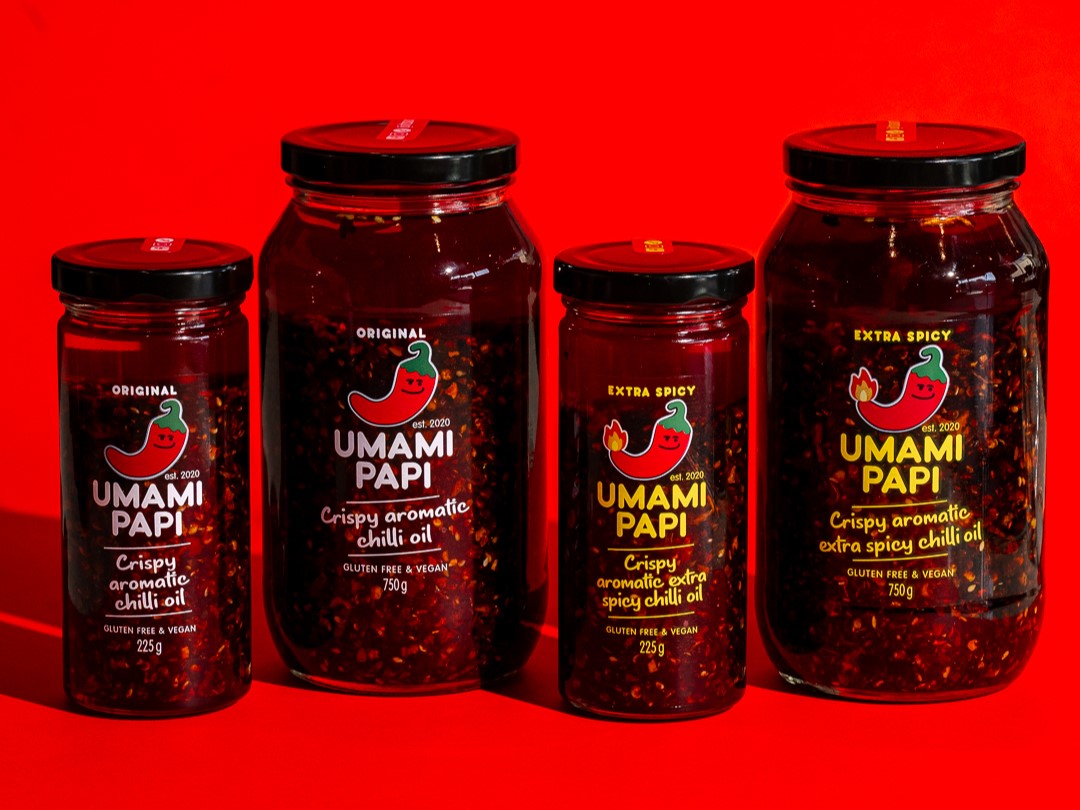
Yes, UmamiPapi Chilli Oil is specifically designed to fit into different dietary needs without compromising on flavour. Both our Original and Extra Spicy varieties are 100% vegan and gluten-free. This makes them a versatile choice for plant-based lifestyles, coeliacs, and just about anyone who wants to make their food taste better.
What Should I Do if I Burn Chilli Oil by Accident?
If you burn the oil, you have to throw it out and start again. There's no coming back from it. The tell-tale signs are a smoking pan and crispy bits that have gone from reddish-brown to black. At this stage, a bitter, acrid flavour has taken over the oil, and it cannot be salvaged. The only solution is to wipe the pan clean, begin again with a fresh spoonful, and, critically, lower the heat. It’s a lesson every cook learns once.
Now that you understand the principles of how this amazing oil behaves with heat and the importance of its smoke point, you can use it with more confidence in the kitchen. Having a well-made oil with a stable, refined base makes exploring these flavour dynamics a whole lot easier and more rewarding. You should avoid high-heat cooking with unfiltered or unrefined oils as a general rule.
Ready To Ruin Bland Food For Good?
You have the technique. You know the rules. Our original chilli oil was designed with the perfect balance of flavour and crispy bits for exactly this process. Now go put it to work.