Can you use chilli oil on salads? Here’s a better dressing
Let's be honest. Most salads feel like a punishment. The issue often isn't the fresh ingredients, but a fundamental misunderstanding of flavour. A well-crafted crispy chilli oil addresses the three core reasons many greens fail, transforming a healthy meal from a chore into something you would actually crave.
Key Takeaways On Why This Works on a Salad
-
It Solves the Flavour Problem: Leaves often taste bland. A quality oil base acts as a perfect delivery system for deep, aromatic flavour.
-
It Provides Savoury Depth (Umami): Many bowls of greens lack the satisfying, savoury umami. The ingredients in a quality crispy condiment provide this crucial "fifth taste."
-
It Adds Textural Contrast: A common failure is a one-note, soft texture. The crispy bits in a good condiment introduce a much-needed crunchy, interesting element.
Why Chilli Oil is the Solution
One of the main reasons greens can taste bland is a simple scientific principle. The flavour compounds in herbs and spices are "fat-soluble," meaning they need to dissolve in fat to be fully tasted. A watery, fat-free vinaigrette lacks the ability to carry these flavours and coat the ingredients.
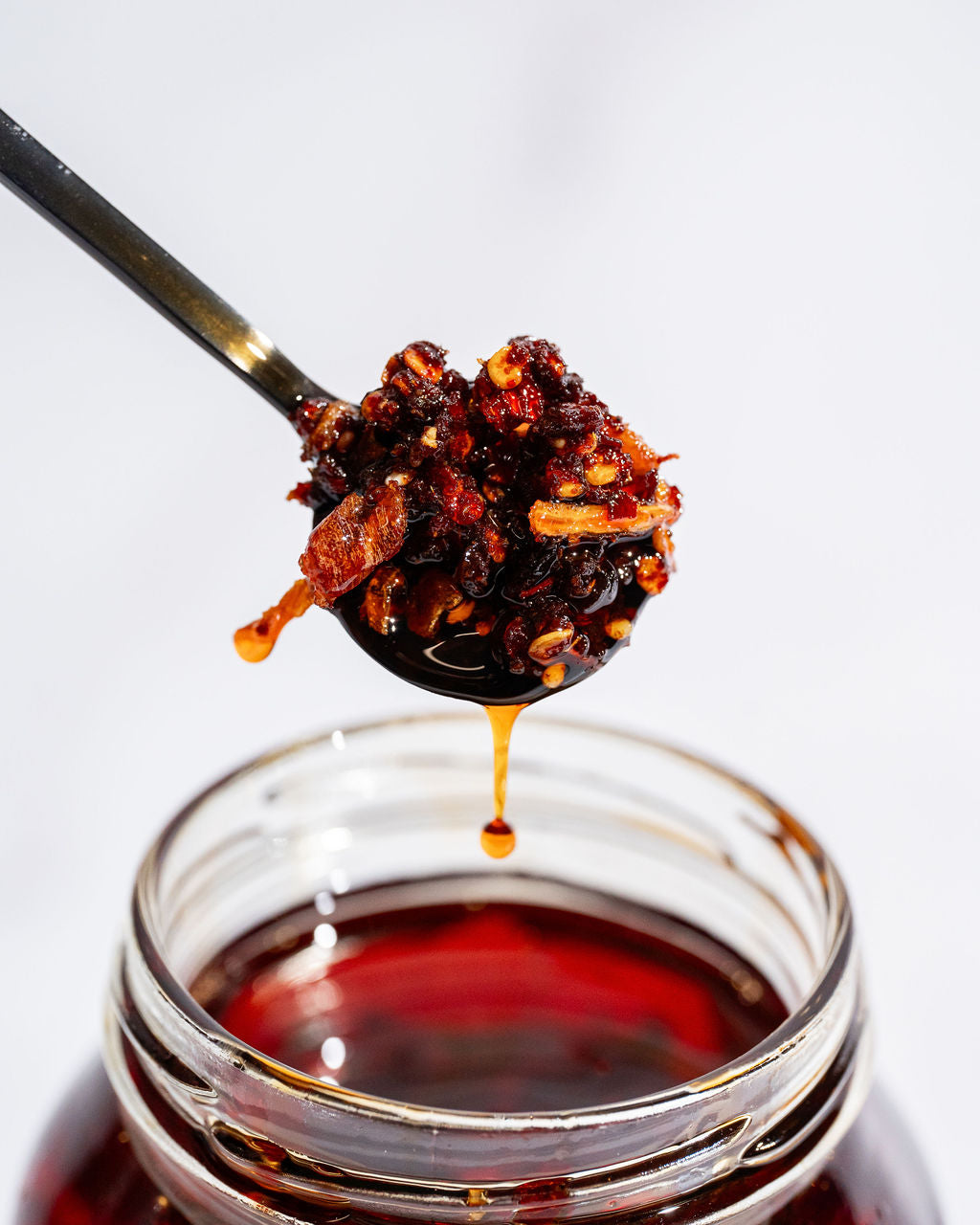
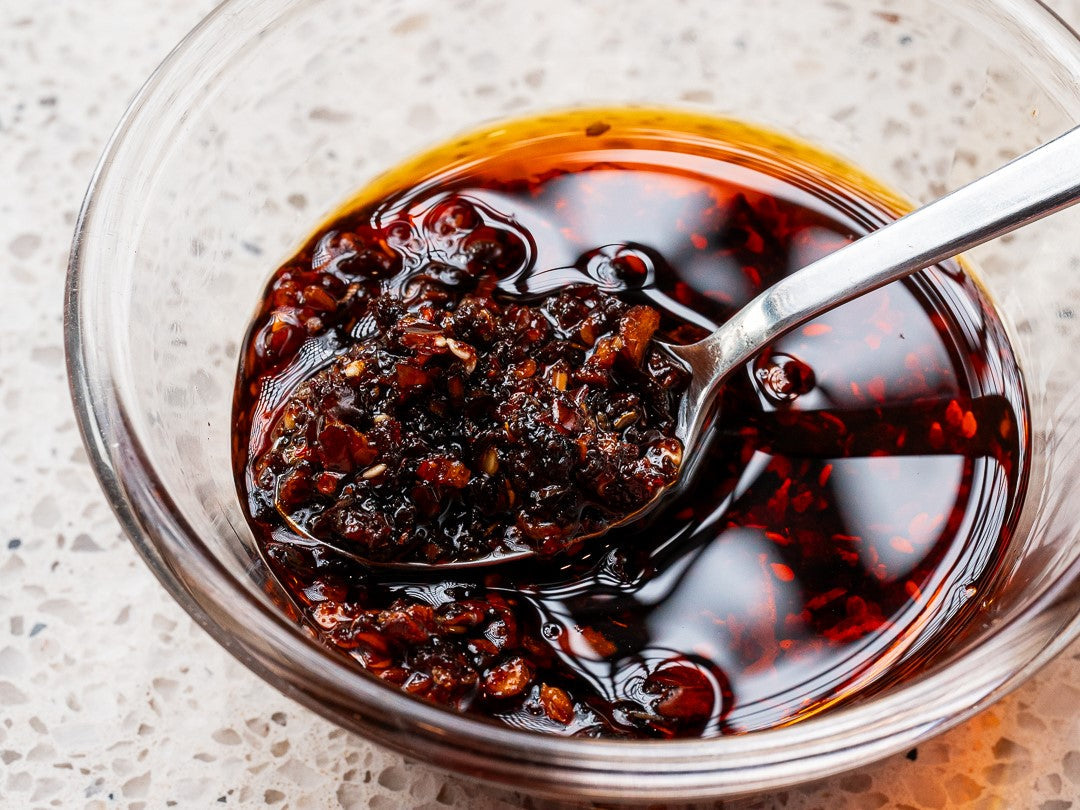
The Crispy Condiment Principle: A quality oil base acts as a perfect delivery system. It extracts the deep, aromatic notes from the chillies, garlic, and other spices, then evenly distributes that flavour, coating every single leaf and vegetable. This is the foundation for countless easy recipes.
The Importance of Umami and Creating Satisfaction
That "I can't stop eating this" feeling you get from a good steak is called umami. It's the fifth basic taste, responsible for savoury depth. Most greens are an umami black hole, a key reason they feel unfulfilling. This is where many recipes fall short.
The Papi Principle: The savoury ingredients in a quality spiced condiment, often combined with other umami-rich elements like soy sauce, deliver a proper umami bomb. This creates the addictive, mouthwatering depth that most everyday dishes lack.
The Power of Texture and Introducing Contrast
A bowl of only soft vegetables can be boring. The human brain enjoys textural contrast: the difference between soft and crunchy. A lack of this is deeply unsatisfying.
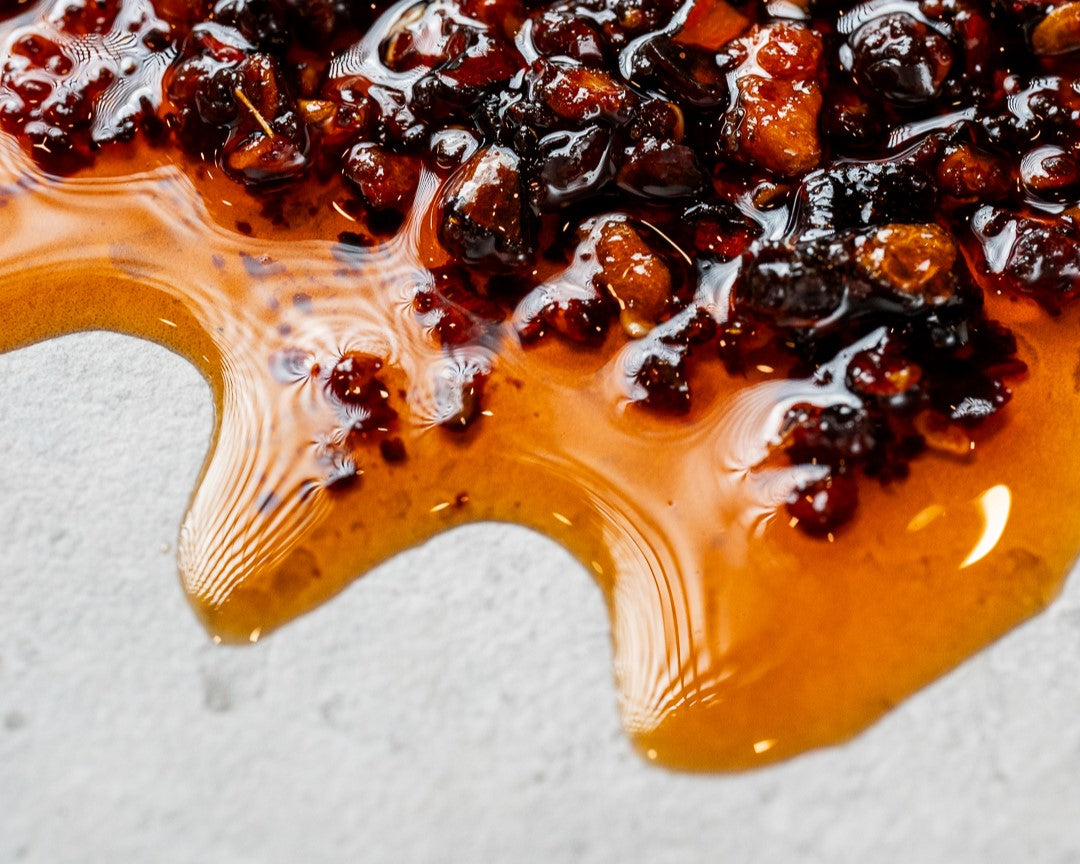
The Papi Principle: The crispy, crunchy bits in a good crispy condiment (like fried garlic or shallots) introduce much-needed textural chaos. It’s the kind of delicious anarchy that makes your tastebuds sit up and pay attention, a key to better food.
Common Oil Dressing Pairings and Flavour Recipes
Understanding these principles allows for versatile applications. The balance of fat, acid from something like lemon, and salt is a foundational culinary principle for any recipe.
For Bitter Greens or Hearty Food
The savoury depth of our condiment pairs exceptionally well with bitter greens like rocket. A common recipe involves balancing it with a touch of sweetness from products like Hot Honey, which can offset bitterness for a more complex profile.
For a Smashed Cucumber Salad
Our chilli oil is a good component in a smashed cucumber salad. Smashing a cucumber creates rough edges with more surface area, which allows this type of chilli oil to cling more effectively than it would to a smooth, sliced surface.
For Creamy Vinaigrettes
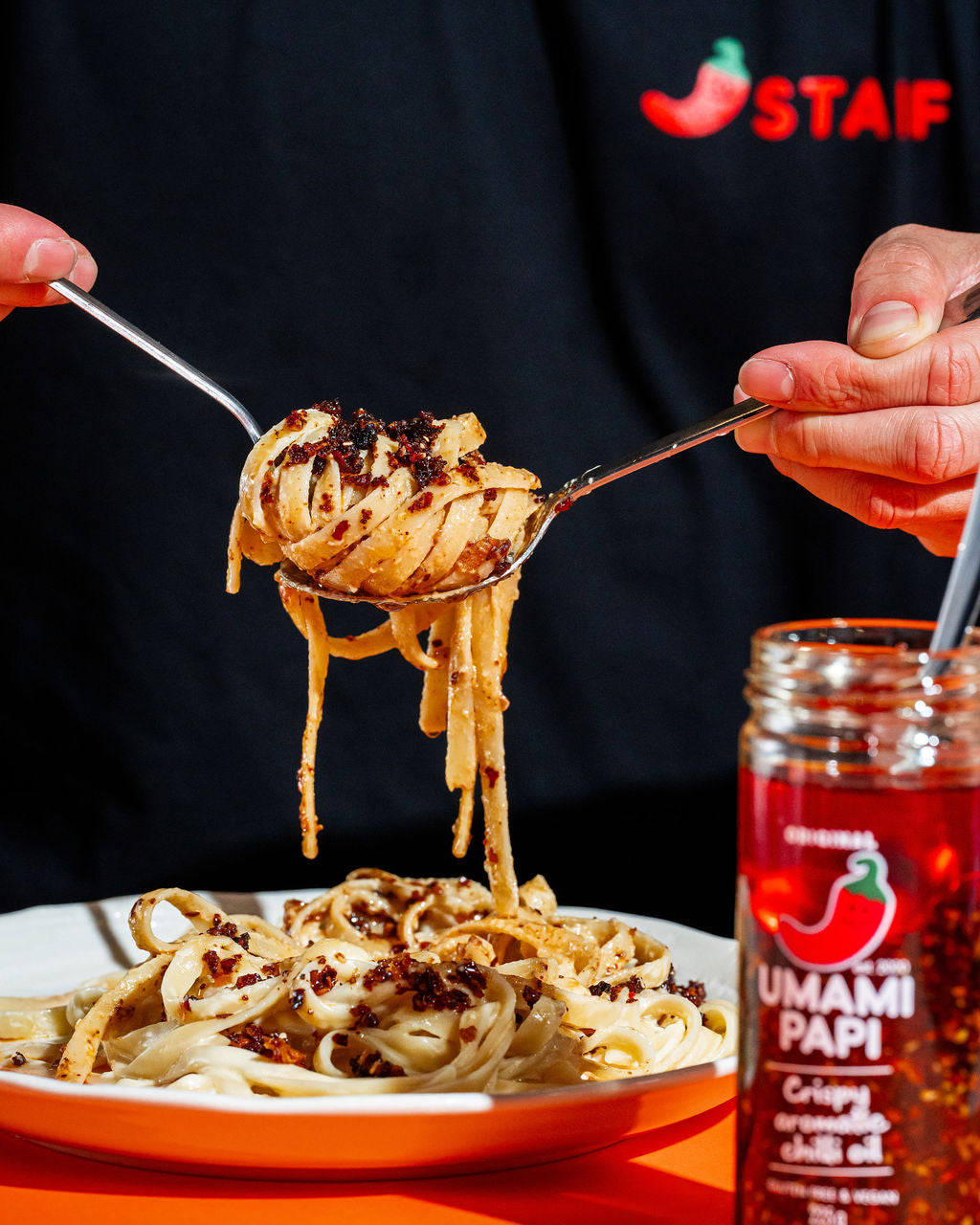
For dishes that benefit from a creamy texture, like noodle salads, our chilli oil can be combined with emulsifiers like tahini or peanut butter. This creates a rich base where the savoury heat can cut through the richness of the other ingredients.
FAQs About Our Spicy Chilli Condiments
What if I Want Flavour Without Intense Spice?
If you're looking for a creation that adds flavour without overwhelming heat, choose a product that prioritises complexity. A well-balanced condiment like our UmamiPapi Original Chilli Oil is designed to deliver a gentle, savoury warmth and a crunchy texture that complements other ingredients rather than dominating them. The goal is to enhance with umami and aroma, not just add a fistful of fire. Unlike other spicy oils, we focus on flavour.
Is This Only for Asian-Inspired Recipes?
No, a versatile creation like this isn't limited to Asian cuisine. Its savoury, garlicky profile makes it a universal condiment. It adds depth to roasted vegetable bowls or as a finish for grilled halloumi. It's not your standard olive oil, it's something more.
Why Is Chilli Oil Better Than a Watery Vinaigrette?
An oil-based dressing is more effective at flavouring because most flavour compounds in spices are fat-soluble rather than water-soluble. This means they dissolve in the base, which then acts as a delivery system to coat every leaf. In contrast, a watery, low-fat salad dressing can't carry these flavours effectively and tends to pool at the bottom of the bowl.
Is UmamiPapi Vegan and Gluten-Free?
Yes, for consumers seeking a product that fits specific dietary needs, UmamiPapi is a suitable option. Both the Original and Extra Spicy are 100% vegan and gluten-free. This ensures the base for your salad dressing is compatible with plant-based and coeliac-friendly lifestyles, without compromising on flavour.
Understanding these three core principles of flavour delivery, umami, and texture is the key to transformation. The only thing left to do is explore the easy possibilities.
Stop Eating Boring Food
It's time to unleash the flavour.