Chilli Mayo vs Aioli: Which Belongs on Your Burger?
Chilli mayo and aioli both make a burger juicier, richer, and more interesting — but they are not the same sauce. Aioli is garlic-forward and olive-oil classic; chilli mayo (especially an egg-yolk chilli mayo) brings heat, umami, and sandwich-shop nostalgia in one spoon. This guide breaks down flavour, texture, heat, and when each one actually wins on an Aussie burger night.
Key Takeaways
Different jobs: Aioli is garlic-and-oil elegance; chilli mayo is creamy heat with savoury depth.
Burger logic: Fatty patties love chilli mayo’s cut-through; herb chicken and fish often love aioli’s cleaner garlic.
Texture matters: Egg-based chilli mayo clings to bun and protein; thin aioli can slip.
Heat is optional intensity: You can keep garlic subtle and still want chilli; you can love aioli and still want a chilli drizzle beside it.
UmamiPapi lane: UmamiPapi Chilli Egg Mayo is built for burgers, wraps, and chips — not as a fake aioli rename.
What Aioli Actually Is
Traditional aioli started as garlic pounded with oil — a Mediterranean emulsion closer to garlic mayonnaise in spirit than to supermarket “garlic aioli” tubs. Modern café aioli is usually mayonnaise with garlic, lemon, and sometimes herbs. The flavour destination is aromatic and savoury, not spicy. When it is good, it smells like garlic before you taste salt. When it is bad, it tastes like raw garlic paste diluted with cheap oil.
On a burger, classic aioli shines when the protein is mild or herbal: grilled chicken, fish, halloumi, roasted vegetables. It also pairs with Mediterranean toppings — rocket, tomato, roasted capsicum — where chilli might compete instead of complete.
What Chilli Mayo Is Doing Differently
Chilli mayo starts from the mayonnaise idea — fat, acid, salt, emulsion — then folds in chilli and, in the best versions, deeper savoury notes. You are not just adding heat for shock value. You are using chilli as aroma and finish while the mayo carries moisture into every bite. That is why chilli mayo feels “burger native” in Australia: it behaves like the sauce you already expect from a chip shop, only sharper and more intentional.
Egg-based chilli mayo has body. It sits on the patty instead of vanishing into the bun. Capsaicin rides on fat, so the heat arrives rounded rather than scratchy. If the mayo also carries umami (think fermented notes, yeast extracts, or a carefully built savoury base), you get the sensation of “more beef” or “more chicken” without adding more meat.
Side-by-Side: Flavour, Heat, and Use Cases
Flavour spine. Aioli = garlic + oil + citrus. Chilli mayo = chilli + creamy fat + acid + savoury depth. One smells like a Mediterranean kitchen; the other smells like a late-night burger run with better ingredients.
Heat. Aioli is typically zero chilli. Chilli mayo ranges from gentle warmth to assertive. Choose based on who is eating, not on ego. Mild chilli mayo still beats plain mayo on a fatty beef patty because chilli wakes fat up.
Texture. Thick egg mayo wins for smash burgers and fried chicken. Light aioli can be perfect as a thin smear under salad-heavy toppings so the bun does not drown.
Pairing with toppings. Pickles, American cheese, bacon, and caramelised onion love chilli mayo. Basil pesto, roasted peppers, and soft herbs lean aioli. Kimchi and chilli crisp toppings? Chilli mayo — you are already in that flavour family.
The Burger Decision Tree
Beef smash or double cheese: Chilli mayo. Fat wants contrast and a little burn.
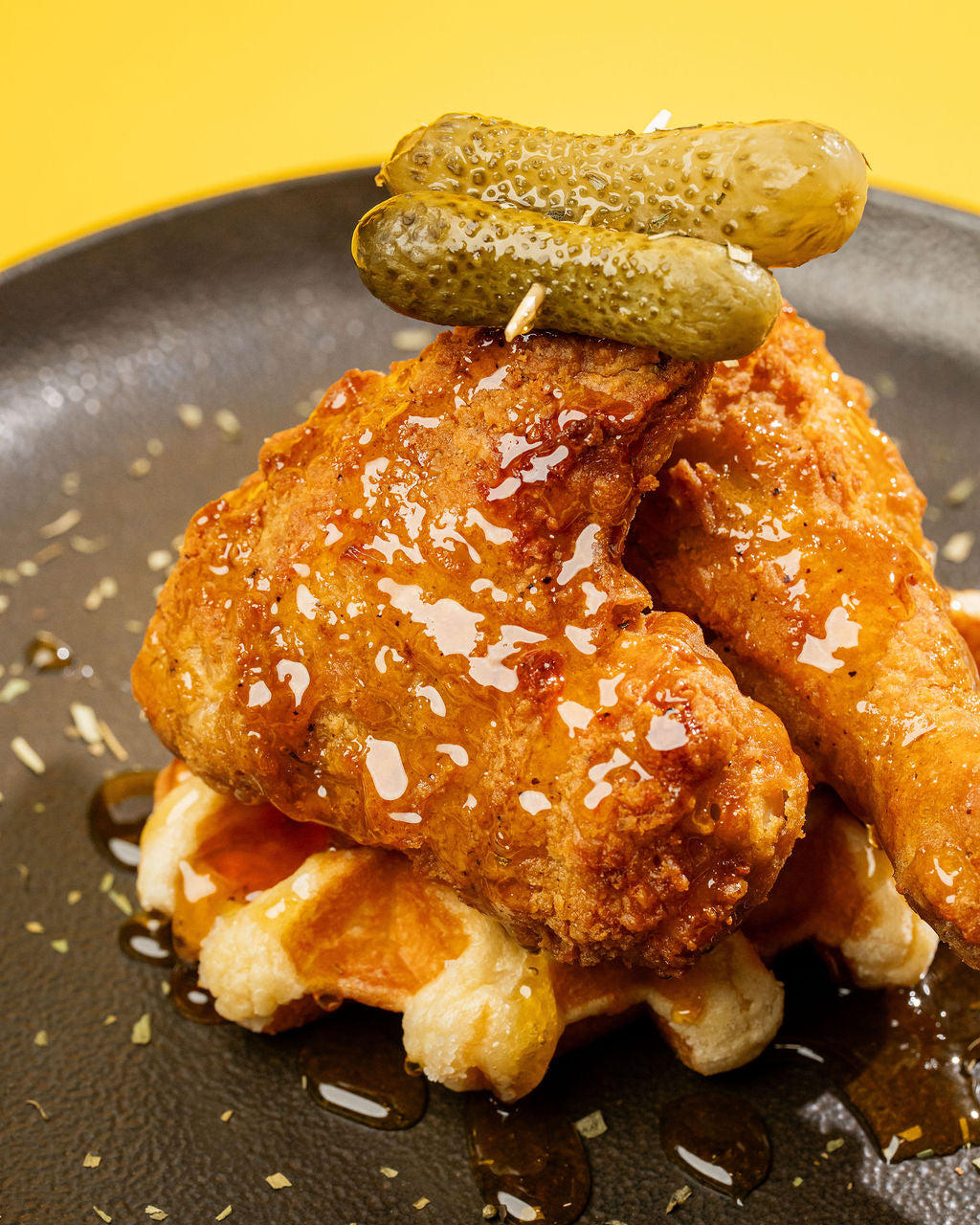
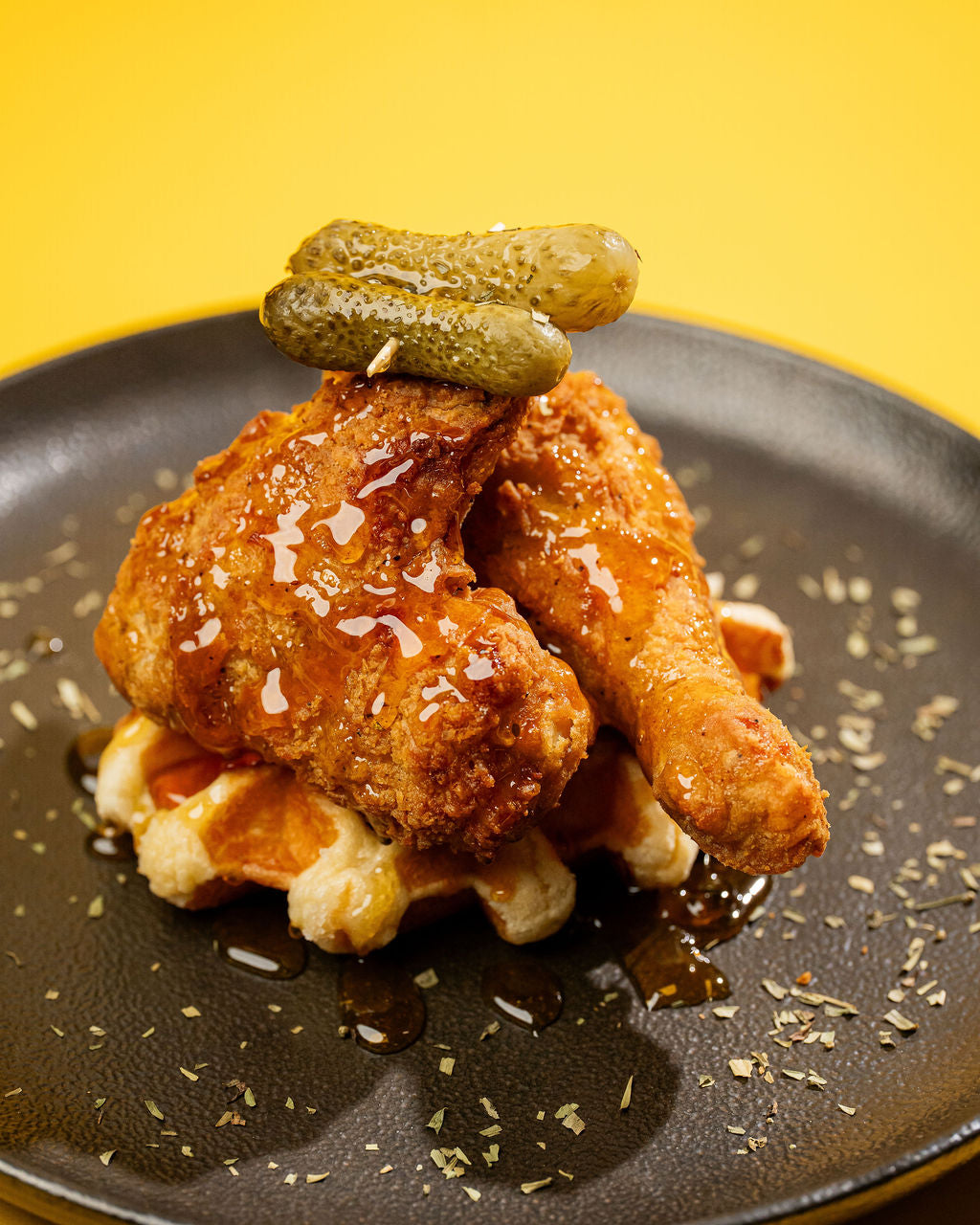
Buttermilk fried chicken: Chilli mayo first; aioli only if you are going herb-garlic Southern-meets-Mediterranean.
Grilled fish or prawn burger: Aioli or a lighter chilli mayo. Heavy chilli can flatten delicate seafood.
Plant-based patty: Chilli mayo often helps more because plant patties need umami and moisture.
Breakfast burger with egg: Chilli mayo. Egg-on-egg richness sounds wrong until you try it — then it makes sense.
Want the burger sauce that already understands heat?
If your default is “mayo but more interesting,” start with chilli egg mayo rather than forcing garlic aioli to do a chilli job.
Shop UmamiPapi Chilli Egg Mayo →
Can You Use Both?
Yes — and serious burger people do. A thin garlic aioli on the bottom bun for aroma, chilli mayo on the top bun for finish, is a legitimate architecture. Or mix a spoon of chilli mayo into aioli for a hybrid. Just taste as you go: two strong sauces can mute toppings if you are heavy-handed.
Another approach: keep aioli for the burger and put chilli mayo on the chips. That way each bite of protein stays garlic-clean while the side carries the heat.
Store-Bought Reality Check
Supermarket “aioli” is often mayonnaise with garlic flavour. Supermarket “chilli mayo” ranges from excellent to vaguely pink. Read the label for egg, oil quality, and whether chilli is a real ingredient or a colour story. A premium chilli egg mayo should taste like food first and branding second.
UmamiPapi Chilli Egg Mayo exists because chilli oil alone is not always the right texture for bread. Burgers need cling. Mayo is the delivery system; chilli and umami are the point.
Regional Burger Habits and Sauce Expectations
Australian burger culture borrows from American smash traditions, British chip-shop logic, and café brunch energy. That mix is why sauce debates get heated. In some households, garlic aioli signals “nice dinner.” In others, chilli mayo signals “this is actually going to taste like something.” Neither crowd is wrong — they are solving for different nights.
If you run a backyard burger bar, put both out with labels. Watch what empties. Data from your own table beats internet consensus. Most mixed groups will empty chilli mayo faster on beef nights and reach for aioli when fish or grilled chicken shows up. That observation alone can settle the shopping list.
Texture preference also splits people. Some want a thin smear that disappears into the bun. Others want a visible white-orange layer that announces itself. Chilli egg mayo tends to serve the second camp. If your bun is very soft, a thicker sauce prevents sogginess better than a runny aioli, because it sits as a barrier between juice and bread.
FAQ
Is chilli mayo just spicy aioli?
No. Aioli is defined by garlic-oil character. Chilli mayo is defined by chilli-in-mayonnaise character. They can overlap if a kitchen adds both garlic and chilli, but the names are not interchangeable.
Which is better for chips?
Chilli mayo, usually. Chips want salt, fat, and a little sting. Garlic aioli is lovely with roasted potatoes too — different mood.
Does chilli mayo overpower beef?
Not if the emulsion is balanced. Good chilli mayo amplifies beef fat. Bad chilli mayo tastes like hot sauce dumped in mayo — that will overpower anything.
Is aioli always vegetarian?
Traditional aioli is plant oils and garlic. Many commercial aiolis use egg. Check the label if that matters to you.
Can I swap chilli oil for chilli mayo on a burger?
You can drizzle chilli oil, but you lose the creamy moisture mayo provides. Best move: mayo for structure, a light chilli oil finish if you want crunch and aroma on top.
Burgers are personal, but sauce is strategy. Pick aioli when garlic should lead. Pick chilli mayo when heat and cream should finish the bite. It is time your bun stopped hosting the wrong condiment.
Ready to upgrade burger night?
Shop Chilli Egg Mayo → · Shop the range →