Can You Use Chilli Oil in an Air Fryer?
Yes — with technique. An air fryer is a compact convection oven, not a deep fryer and not a wok. Chilli oil can absolutely flavour air-fried food, but if you treat it like frying oil you will get smoke, bitter chilli, and a machine that smells like last Tuesday’s experiment. This guide is specifically about air-fryer use — different from pan-frying spoonfuls in a skillet.
Key Takeaways
Prefer finish over fry: Air-fry first, chilli-oil after, for brighter aroma.
If you pre-oil, use less: A thin coat helps browning; a pool causes smoke.
Watch temperature: Very high settings can dull chilli aromatics and dirty the heater.
Sediment burns faster: Oil fraction for coating; chunky bits better as a post-cook spoon.
Best jar for finishing: UmamiPapi Chilli Oil.
Air Fryer vs Pan: Why the Advice Changes
In a pan, you control contact, can go off-heat instantly, and can bloom chilli oil in seconds. In an air fryer, hot air blasts food from all sides and the heating element sits above a lot of models. Oil that drips or aerosolises can hit hot surfaces. Chilli sediment can toast past tasty into bitter. That is why “just pour chilli oil in and blast at 200°C” is a weak plan.
Pan-frying content elsewhere on the site is about wok hei and skillet bloom. Here the win condition is crisp food plus a clean chilli finish — not recreating deep-fried chilli crisp inside a basket.
Method A (Best): Air-Fry, Then Spoon
Toss protein or vegetables with a neutral oil or light spray, salt, and spices as usual.
Air-fry until crisp and cooked.
Transfer to a bowl or plate.
Spoon UmamiPapi over the hot food and toss. Heat blooms aroma without punishing the chilli.
This method gives you the texture you bought an air fryer for and the flavour you bought chilli oil for. Wings, broccoli, tofu cubes, potatoes, and shrimp all respond beautifully.
Method B: Light Pre-Coat for Browning
When food is very dry (potato wedges, cauliflower) a small amount of chilli oil in the pre-toss can help colour and seasoning adhesion. Keep it thin — think glossy, not dripping. Prefer straining a little oil from the top of the jar if you want fewer burning particles on long cooks. Save the sediment to add after cooking for crunch.
Pat food dry before oiling. Wet surfaces steam and then the oil sits oddly.
Method C: Mid-Cook Brush (Advanced)
For longer cooks, brush a little chilli oil in the last 2–3 minutes. You get aroma attachment without a full-duration bake of the chilli. Do not brush so heavily that oil rains through the basket onto the element.
Want crisp food with a proper chilli finish?
Cook for texture in the air fryer. Finish with chilli oil in the bowl. That division of labour is the whole tip.
Foods That Love This Approach
Chicken wings and tenders: air-fry crisp, toss with chilli oil and a pinch of salt or chicken salt.
Roast vegetables: broccoli, carrots, brussels sprouts — finish with oil and lemon.
Tofu and tempeh: pre-coat lightly for browning; finish with sediment-heavy spoon.
Potatoes: neutral oil for the cook; chilli oil for the victory lap.
Salmon: careful temps; finish with chilli oil and citrus rather than heavy pre-oil.
Smoke, Smell, and Machine Care
If you see smoke, stop and reduce oil next time. Wipe the basket and drawer so old oil does not polymerise into sticky varnish. Do not store the air fryer with chilli oil residue in it — odours linger. A quick wash after spicy runs keeps the next batch of toast from tasting like chilli history.
Very sugary glazes plus chilli oil plus high heat can brown fast. Watch windows or timers. Air fryers vary wildly by wattage; your 5-minute wing toss may be someone else’s charcoal.
Hot Honey Note
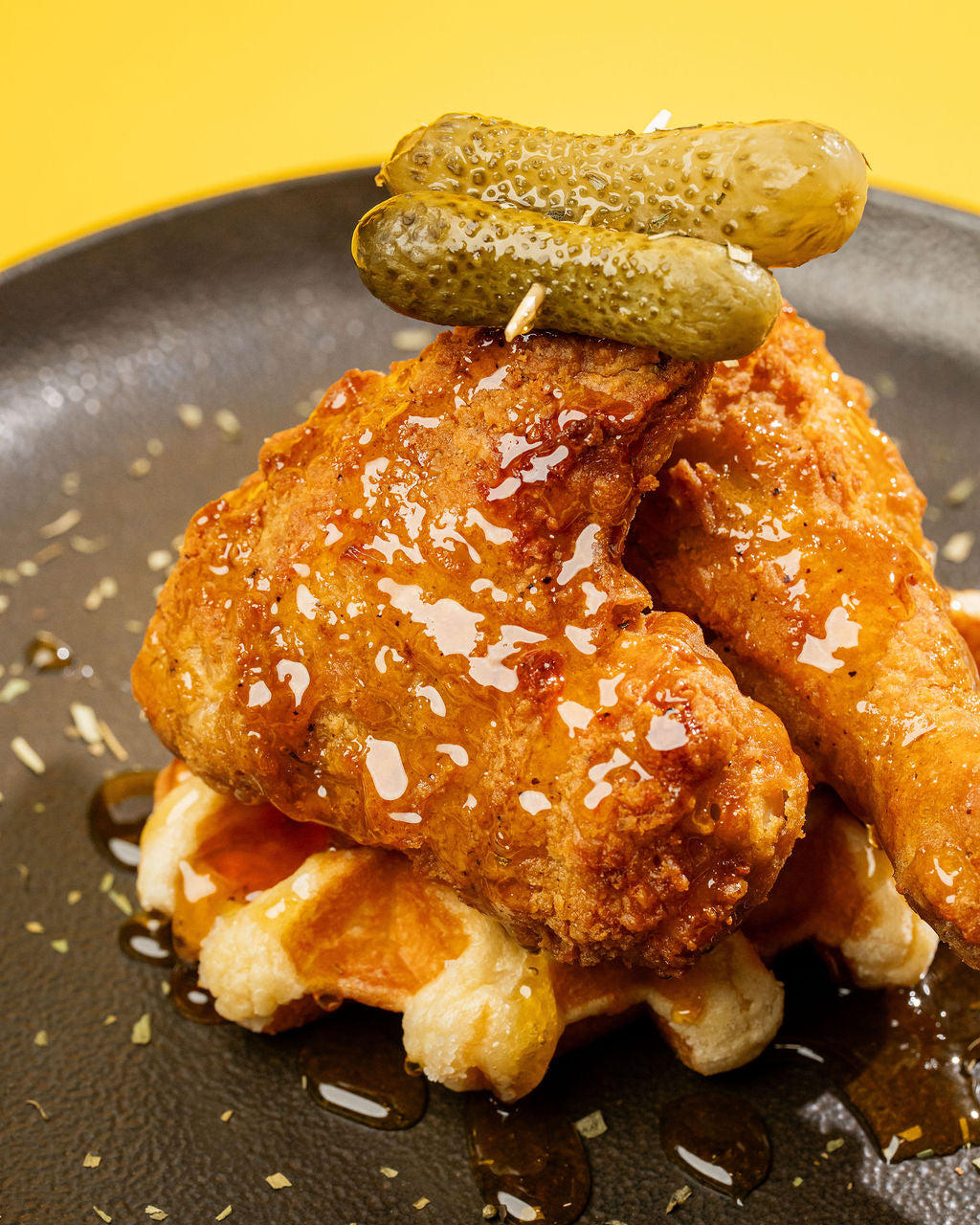
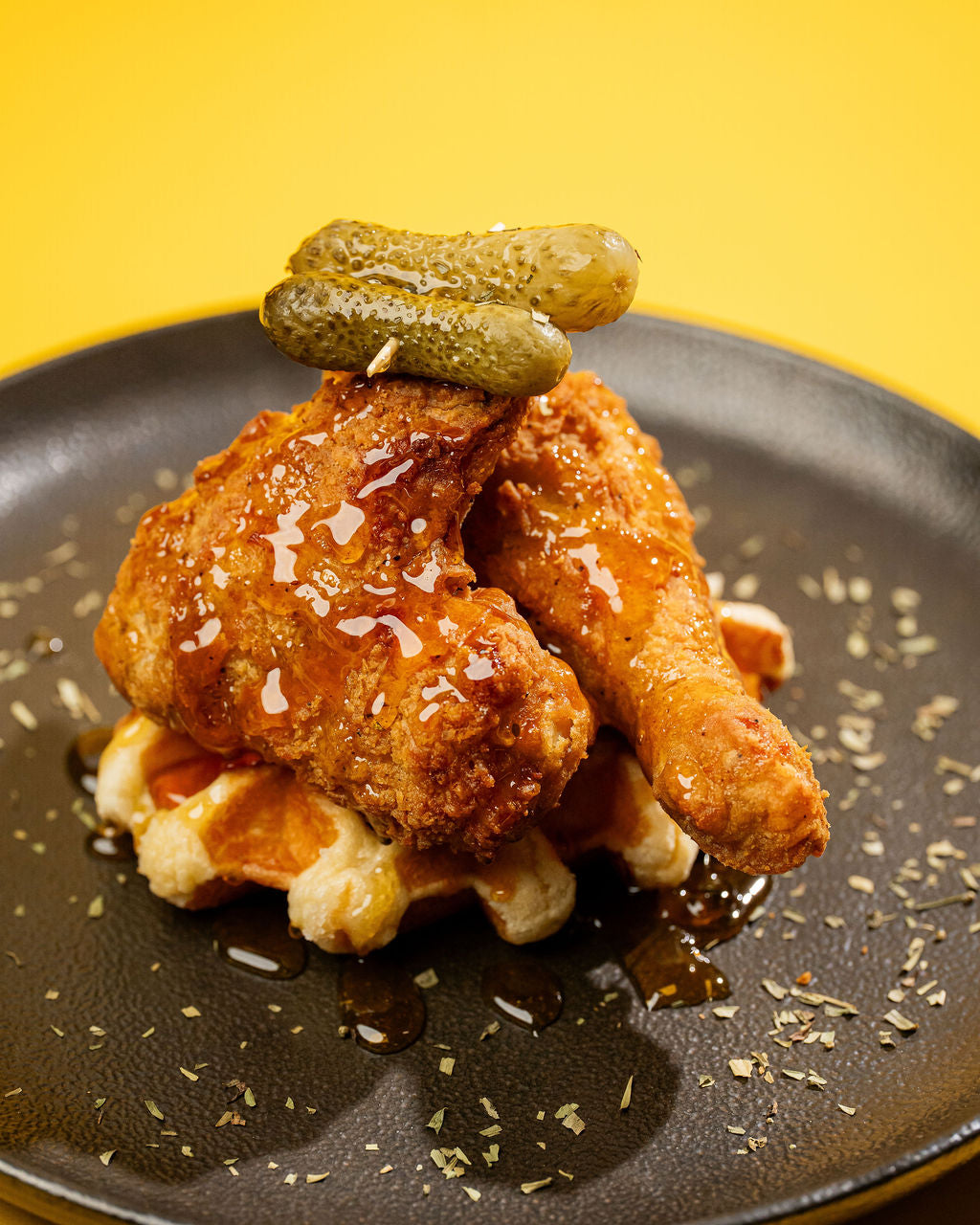
Hot honey is even more of a post-cook drizzle in air fryers because sugars burn. If you want sticky heat on air-fried chicken, cook first, then honey. Chilli oil can join the same toss.
Sample Timing Templates
Every machine differs, so treat these as starting points. Broccoli florets: roughly 8–12 minutes at a mid-high setting, shake once, then chilli-oil toss. Potato wedges: longer, with neutral oil pre-coat, chicken salt optional, chilli oil after. Tofu cubes: press, dry, light oil, cook until edged, then sediment-heavy chilli oil. Wings: cook through and crisp, rest one minute, toss in a big bowl with chilli oil so every surface gets a coat without dripping into the basket.
Keep a dedicated toss bowl for spicy finishes so your salad bowl does not permanently smell like chilli. That is boring advice until you forget once.
If you love experimentation, run a side-by-side: half a batch finished with chilli oil, half with hot honey, half with both. Air fryers make small tests easy because batches are small. Learning your own preference is better than copying a single influencer setting forever.
Troubleshooting Common Results
Bitter taste usually means sediment cooked too long or temperature too aggressive. Next time, finish after cooking. Pale food means you needed a little more neutral oil or more time — do not compensate by flooding chilli oil pre-cook. Uneven heat means you overcrowded the basket; crisp needs airflow. Lingering smell means wash the drawer with hot soapy water and run a lemon-water steam cycle if your manual allows.
Once you dial in your machine, write the settings on a sticky note. Air fryer cooking rewards boring consistency more than vibes.
FAQ
Can I put chilli oil directly in the air fryer drawer as a bath?
No. It is not a deep fryer. You will make a mess and a hazard.
Will chilli oil damage my air fryer?
Normal light use will not. Chronic over-oiling and burnt residue will make maintenance miserable.
Is spray oil better for the cook phase?
Often yes for even lightness. Then use chilli oil for flavour where it belongs — at the end.
Can I reheat chilli-oiled leftovers in the air fryer?
Yes at moderate heat. Expect more aroma. Line with paper only if your manual allows, and watch for smoking.
Does this replace pan-fried chilli oil dishes?
No. Different tools. Air fryer for crisp convenience; pan for bloom-and-toss theatre.
You can use chilli oil with an air fryer — wisely. Crisp first, flavour second. It is time your basket stopped smelling like burnt spice and started tasting like dinner.