Your Ultimate Guide to Using Chilli Oil as a Dip
Using chilli oil as a dip is an easy way to upgrade snacks, shifting the focus from bland and watery to crunchy and flavourful. Too often, snacks are let down by the same tired dip recipes that make everything soggy.
This guide provides a complete explanation of how to get the most out of this condiment, covering popular food pairings, serving principles, and the science behind its effectiveness.
Key Takeaways
-
The Core Principle: The main advantage of a crispy condiment as a dip is its combination of deep, savoury flavour (umami) and crunchy texture, which enhances food without making it soggy.
-
The Importance of Stirring: It's crucial to stir the jar from the bottom up before serving. The flavourful sediment, full of aromatics like fried garlic and dried chillies, sinks, and failing to stir results in a thin, textureless dip.
-
Popular Food Pairings: For a great experience, the dip is often paired with starchy foods that soak up flavour (like hot chips or crusty bread) and salty foods that complement its taste.
-
A Key Serving Principle: Serving your dip in a wide, shallow bowl allows you to scoop up the crunchy bits, which often get trapped in a deep bowl.
Why This Chilli Oil is a Better Dip Than Salsa
To understand why chilli oil is a better dip, it's helpful to compare it to a standard option like salsa. The difference comes down to the science of what makes food satisfying.
|
Attribute |
Crispy Chilli Condiment |
Typical Salsa |
|
Flavour Profile |
Layers of savoury, aromatic flavour with a balanced heat. |
A simple taste that's mostly wet, acidic, and sometimes bland. |
|
Texture |
A satisfying crunch from crispy bits that cling to every bite. |
One-dimensional and often watery, which makes chips soggy. |
|
Depth & 'Moreishness' |
A deep, savoury, and craveable flavour, powered by umami. |
Lacks the deep, lasting flavour that keeps you coming back for more. |
The Flavour Secret, Umami
The key to that deep, craveable flavour is a culinary term called Umami. It's the fifth basic taste, alongside sweet, sour, salty, and bitter. It often comes from an ingredient called Monosodium Glutamate (MSG), a scientifically proven way to make food taste incredible.
Why this matters. Umami provides a deep, savoury flavour that salsa and other acidic dips lack. This is what makes a quality dip feel so satisfying and keeps you coming back for another bite. Its safety is confirmed by authorities like Food Standards Australia New Zealand.
What to Eat with Your Spicy Chilli Oil Dip
While almost anything works, some foods are better vehicles for flavour. They fall into two categories: foods for soaking and foods that pair well with the taste. For more ideas and creative pairings, check out our full list of chilli oil recipes.
Foods for Soaking & Scooping
These foods are brilliant at soaking up aromatic flavours and holding on to the bits of fried garlic. They're often used as the foundation of a good dipping session.
-
Hot Chips: The fluffy interior absorbs the flavourful base while the exterior provides a satisfying extra crunch.
-
Crusty Bread: Breads like sourdough, focaccia, or ciabatta have air pockets that are perfect for trapping the flavourful liquid and crispy flakes.
-
Crackers: A simple, crunchy base lets the condiment's flavour do all the work. A great recipe for a simple snack.
Foods with Complementary Flavours
These foods have their own strong flavours and textures that can create an amazing combination with the spicy dip. This is especially true when hosting a BBQ party, where grilled meats and vegetables can be enhanced.
-
Grilled Halloumi: Its high fat content balances the heat, while its natural saltiness boosts the savoury flavour.
-
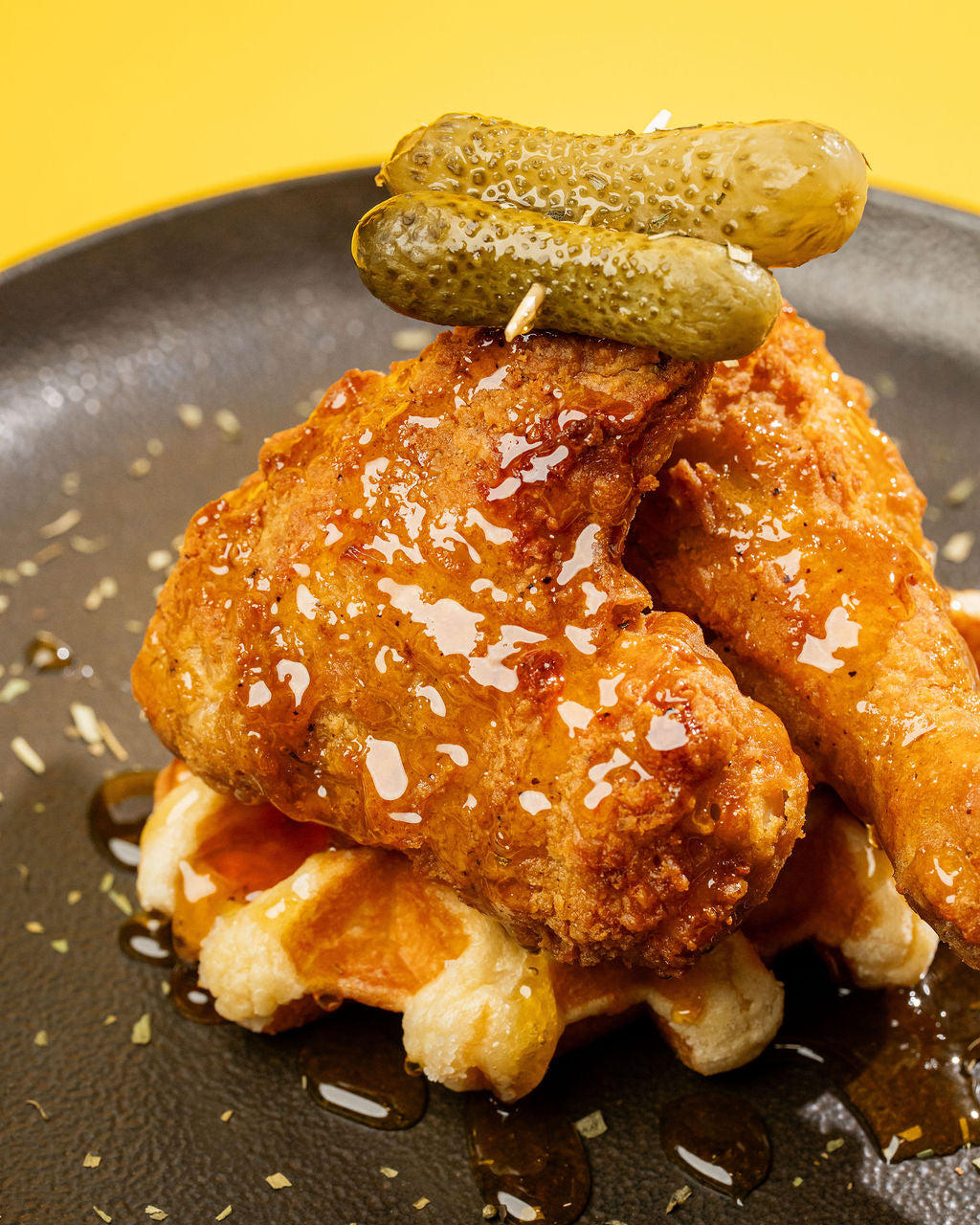
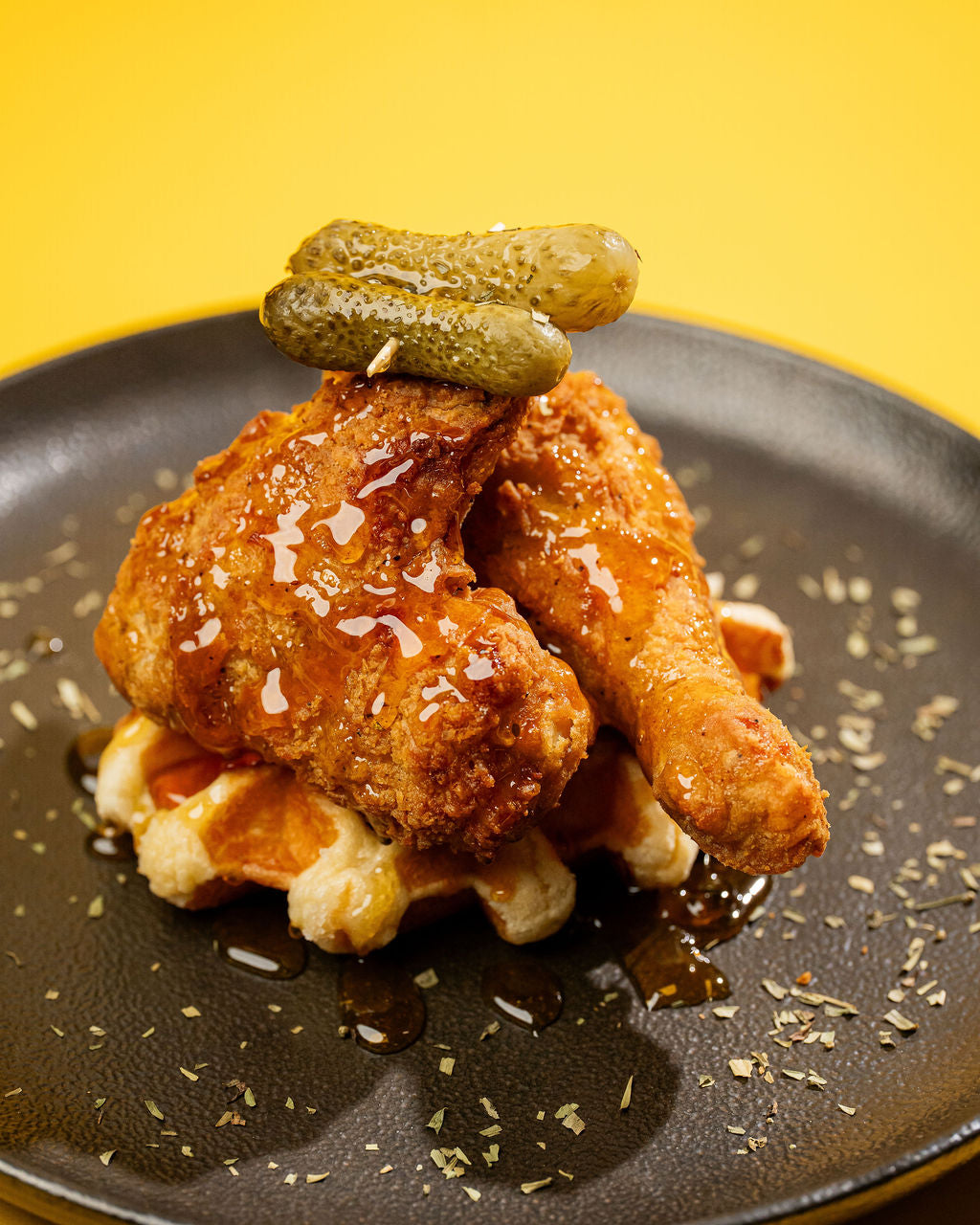
Fried Chicken: The salty skin is an excellent partner for the savoury heat and satisfying crunch from fried garlic.
-
Dumplings & Spring Rolls: Their soft wrapper contrasts with the crunch, and the savoury filling, often containing soy sauce, pairs perfectly.
Tired of Sad Snacks?
Your pantry is letting you down. Fix it. Our Melbourne-made chilli oil is the cheat code to better flavour on everything. Crispy, aromatic, and dangerously good.
How to Serve for the Best Experience
Presentation and preparation are key to a great dipping experience, especially when using a spicy condiment for entertaining. The following principles help make the dip the star of the show.
The Importance of Stirring the Jar
A key technique is to stir the jar from the bottom up. The crunchy bits of garlic, spices and sesame seeds are heavier than the liquid and will naturally sink to the bottom.
Why this matters: An unstirred spoonful will primarily be flavoured liquid, missing the essential texture. To get the best of both worlds, scraping the bottom of the jar with a spoon lifts the crunchy sediment and mixes it through the rest of the chilli oil. This ensures a more balanced dip.
Helpful Tip: If the contents are a bit solid from a cold pantry, don't worry. Just let the sealed jar sit at room temperature for 20-30 minutes. It will become liquid again, and then you can stir it properly. You'll be ready to eat in no time.
Why a Shallow Bowl Works Best
It's common to serve this kind of dip in a wide, shallow bowl. This increases the surface area, making it possible for everyone to scoop up the crunchy bits.
Why this matters: If you use a deep, narrow bowl, the good stuff tends to stay trapped at the bottom. A wide bowl can ensure every dip gets a better ratio of liquid and crunch.
An Example of a Balanced Platter
A great way to serve this dip is on a platter alongside a variety of textures and flavours. A well-balanced platter might include the following:
-
The Dip: A well-stirred condiment, rich with sediment, is served in a wide, shallow bowl, making the texture easy to scoop.
-
The Dippers: A mix of textures could include torn chunks of warm sourdough for soaking, quality crackers for scooping, and grilled halloumi cubes for a salty, savoury complement.
-
A Fresh Contrast: Cool, crunchy cucumber and carrot sticks can be added to balance the dip's richness.
Common Questions About This Spicy Chilli Dip
Is This Condiment Only for Asian Food?
No, this condiment isn't exclusively for Asian food. While their origins lie in Chinese cuisine, particularly in regions that use dried chillies, modern products are designed as universal condiments. For users looking for versatile pairings, they're commonly used on Western dishes such as pizza, pasta, eggs, and avocado toast to add a savoury, crunchy texture.
How Spicy is This Type of Condiment?
The spiciness of this condiment varies significantly by brand and style. Most modern dip recipes of this kind prioritise a balanced flavour profile of savoury umami and crunch over intense heat, offering a mild-to-medium kick. For comparison, a product like UmamiPapi Original is flavour-focused for general use, whereas their Extra Spicy version is designed for users seeking more intense heat. This is different from pure hot sauces like Tabasco, which focus primarily on heat.
Chilli Oil vs. Chilli Crisp: What's the Difference?
Modern 'chilli crisp' is fundamentally different from a traditional infused chilli oil, and the choice depends on whether a user needs flavour and texture or just heat.
-
Traditional Infused Liquid: This is primarily a flavoured liquid made by steeping dried chillies in a base. Its main contribution is heat and aroma from the chilli, and it contains very few solid ingredients.
-
Modern Crispy Condiments: This is a product focused on texture, where solid ingredients like crispy flakes of dried chillies and fried garlic are the main event. It provides significant crunch and deep umami flavour, making it a superior choice for a dip.
How Do You Store This Condiment?
The best way to store this condiment is in a cool, dark place, such as a pantry. It's best to avoid refrigerating it to maintain its intended consistency.
-
Pantry Storage (Recommended): This method preserves the liquid state, ensuring the crunchy bits are always ready to stir and scoop from the jar.
-
Refrigeration: Cold temperatures cause the natural base (like canola or soybean) to solidify. While this doesn't spoil the product, it makes it hard to use unless it's first brought back to room temperature.
Still Have Questions?
If there's something we haven't covered, please feel free to contact us directly. We're always happy to talk about all things chilli oil.
Our Final Recommendation
Find our Original or Extra Spicy chilli oil online or at Coles, IGA, and other grocers across Australia.
You've Read Enough, Time to Eat.
Stop settling for bland. Start ruining bad food for good. Our entire range is proudly made in Melbourne and waiting to ruin you for every other condiment.