The Rise of Hot Honey: How UmamiPapi is Changing the Sweet Heat Game
The hot honey trend did not appear out of nowhere. It rode pizza culture, fried-chicken menus, and a broader shift toward bold condiments that do more than sit politely on the side. What started as a chef flourish is now a pantry search term. This piece looks at why sweet heat took off, where most versions stall, and how UmamiPapi is pushing the category past novelty into proper flavour territory.
Key Takeaways On the Hot Honey Trend
Why It Rose: Hot honey hits three cravings at once — sweetness, spice, and that moreish finish people chase without naming it.
Where Trends Stall: Copycat jars chase heat and colour, then fade when the flavour has no depth.
The UmamiPapi Shift: By treating hot honey as a flavour system — honey, chilli, umami — the brand moves sweet heat from gimmick to staple.
Where the Hot Honey Trend Came From
Sweet and spicy is not new. What changed is packaging and permission. Diners got used to finishing pizza with a drizzle. Menus started naming hot honey as a feature, not a secret. Social media made the gloss and pull-apart cheese look irresistible. Suddenly a niche restaurant move became a supermarket question: which jar do I buy?
Trends spread fast. Taste standards rise slower. That lag is where a lot of disappointing bottles live.
Why Sweet Heat Hooked Everyone
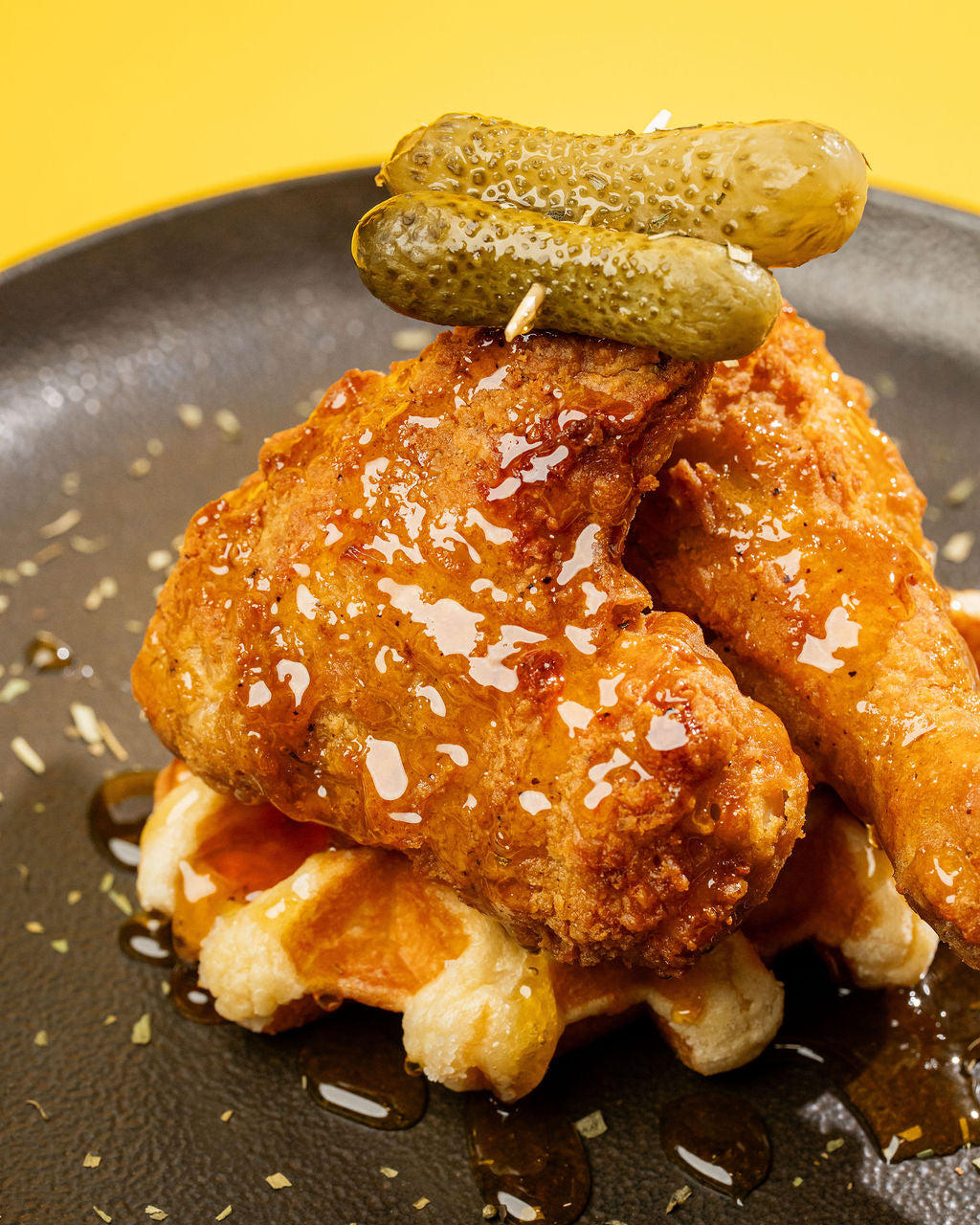
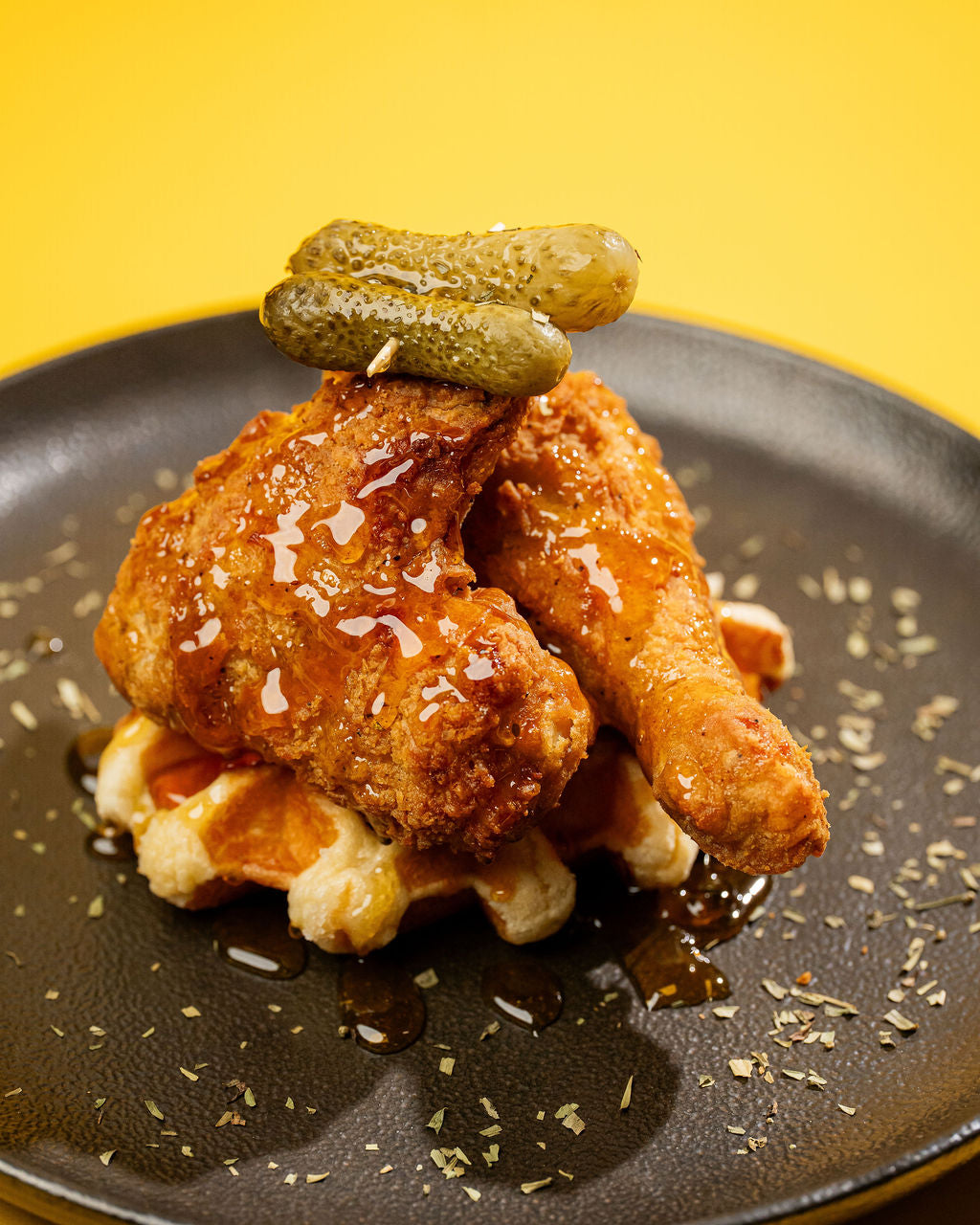
There is a simple sensory reason the hot honey trend stuck. Sugar softens the sharp edges of chilli. Capsaicin adds excitement to honey that might otherwise feel one-note. On salty, fatty foods, the combination creates contrast — and contrast is what keeps people eating.
Call it "swicy" if you want. The mechanism is older than the hashtag: balance makes flavour memorable.
Ride the trend with a jar that has a point of view.
Taste UmamiPapi Hot Honey.
How Most Hot Honey Brands Miss the Moment
When a trend peaks, shelves fill with lookalikes. Many are sweet first, spicy second, and savoury never. They photograph well and cook average. Others swing the opposite way — aggressive heat that buries the honey. Either extreme makes the category feel thinner than it should.
The brands that change the game are the ones that answer a harder question: what makes someone finish the jar and buy it again?
How UmamiPapi is Changing the Sweet Heat Game
UmamiPapi did not treat hot honey as a side quest. It treated it like the rest of the range: Melbourne-made, flavour-led, unapologetic about taste science. Australian honey for a clean sweet base. Chilli for warmth and aroma. Umami seasoning, including MSG, for the savoury pull that makes pizza and fried chicken taste more complete.
That combination matters because the trend conversation is moving from "have you tried hot honey?" to "which hot honey is actually good?" UmamiPapi is built for the second question.
Trend vs Staple
A trend condiment is something you mention. A staple condiment is something you empty. The rise of hot honey only becomes durable if jars earn weeknight use — glazes, boards, brunch, vegetables, leftovers. UmamiPapi's bet is that umami-forward sweet heat gets used more often because it makes more dishes taste finished.
That is how you change a game. Not by shouting hotter numbers. By becoming the bottle people refill.
What This Means for Australian Pantries
Australia's condiment culture already loves chilli oil, hot sauce, and big flavours. Hot honey sits neatly in that landscape when it tastes intentional. Local honey character and a brand willing to talk about MSG without whispering give UmamiPapi a clear lane: not imported hype, not DIY vagueness — a finished product with a flavour opinion.
What Changed in Home Kitchens
People got more comfortable buying "chef-y" condiments for weeknights. Chilli crisp proved that a jar can be a personality. Hot honey followed with a sweeter entry point for guests who claim they do not like spice. That broader permission is why the category scaled so quickly in Australia as well as overseas.
The next phase is discrimination. Shoppers are starting to ask what the honey tastes like, where the chilli character comes from, and whether the jar has any savoury intelligence. That is the phase where UmamiPapi is designed to win.
Sweet Heat as Brand Territory
Changing the game also means owning a lane in culture, not only in recipes. UmamiPapi already stands for flavour without apology — including MSG. Hot honey becomes another place that story shows up on a plate. When a brand's condiments share a worldview, the pantry feels coherent. That coherence is hard for anonymous trend bottles to copy.
Frequently Asked Questions About the Hot Honey Trend
Is hot honey still trending or is it here to stay?
The meme cycle will move on. The flavour combination will not. Products with real balance will outlast the trend label.
What makes UmamiPapi different from other hot honey brands?
The focus on umami depth alongside honey and chilli. Sweet heat is the entry point. Flavour completion is the point.
Can hot honey replace chilli oil?
They do different jobs. Chilli oil brings crispy, savoury heat. Hot honey brings sweet-heat glaze energy. Serious pantries can want both.
From Trend to Taste Standard
The rise of hot honey created the demand. Brands like UmamiPapi decide whether that demand becomes another forgotten fad or a permanent shelf slot. If you care what your food tastes like, choose the jar built for the long game.
The trend got your attention.
Flavour keeps the jar.