The Maillard Reaction - Why Toasting Spices is Essential for Aromatic Oils
Have you ever wondered why a seared steak, toasted bread, or roasted coffee has such a deep, complex, and appealing flavour? The answer lies in a fascinating chemical process. This article explores the Maillard reaction, the single most important reaction in cooking for flavour development. We'll break down what it is, the science behind how it works, and how it differs from other browning reactions, giving you a deeper appreciation for the science behind the food you love. Understanding this reaction is a vital part of the chemistry of flavour and is essential for creating fragrant and delicious food.
Key Takeaways on the Maillard Reaction
-
The Maillard reaction is a chemical process between proteins and sugars that occurs with heat, creating hundreds of new aroma molecules and flavour compounds.
-
It's responsible for the browning and distinct savoury flavours in many cooked foods, including seared meats, baked bread, and when toasting spices.
-
It's distinct from caramelisation, which is the browning of sugar by itself and typically results in sweeter, less complex flavours.
What Exactly is the Maillard Reaction?
The Maillard reaction is a complex series of chemical reactions between amino acids (the building blocks of proteins) and reducing sugars that happens when you apply heat. It's not simply "browning" food. It's a profound transformation at a molecular level. This reaction creates hundreds of new, distinct flavour characteristics and aroma compounds that weren't present in the raw ingredients. It's widely considered by chefs and food scientists to be the most important process for flavour development in the culinary world, essential for creating products like a gourmet chilli oil where depth is key.
The Key Components of the Maillard Reaction
For the Maillard reaction to occur, three specific components must be present. The absence of any one of these elements will prevent the reaction from taking place.
-
Proteins and Sugars: These are found in any food containing them. Different types of amino acids and sugars contribute to different final flavours, which is why a seared steak tastes different from toasted bread.
-
Heat: The reaction typically begins to happen at temperatures around 140°C (285°F). This is why boiled or steamed foods, which are cooked at 100°C (212°F), don't brown or develop the same deep, savoury flavours. High temperatures are a must. For any high-heat cooking, it's crucial to be aware of your ingredients, which includes understanding the smoke point of your cooking oils.
Maillard Reaction vs Caramelisation: What's the Difference?
Many people confuse the Maillard reaction with caramelisation, as both result in browning and new flavours. However, they're fundamentally different chemical processes.
|
Characteristic |
Maillard Reaction |
Caramelisation |
|
Reactants |
Proteins AND reducing sugars. |
Sugar ONLY. |
|
Temperature |
Begins around 140°C (285°F). |
Requires higher temperatures, typically starting around 160°C (320°F). |
|
Flavour Profile |
Complex, savoury, roasted, and umami notes. |
Sweet, nutty, and slightly bitter notes. |
|
Common Examples |
Seared steak, crispy-skinned chicken, dark bread crust, roasted coffee. |
Caramel sauce, crème brûlée topping, the browning on onions cooked alone. |
Need a reference point?
If you're curious to taste a product where these principles of flavour development are carefully controlled, the chilli oil we make is a great reference point. We focus on these details in every single batch to achieve a deep, balanced flavour profile. Your cooking will reach a whole new level of flavour once you master this reaction.
Examples of the Maillard Reaction in Everyday Food
Once you understand the concept, you begin to see and taste the Maillard reaction everywhere. It's responsible for the flavour of many of the world's most beloved foods, including:
-
The golden-brown crust on a loaf of bread or a croissant.
-
The savoury, deep flavour of a well-seared steak or hamburger patty.
-
The rich, complex taste of roasted coffee beans and dark chocolate.
-
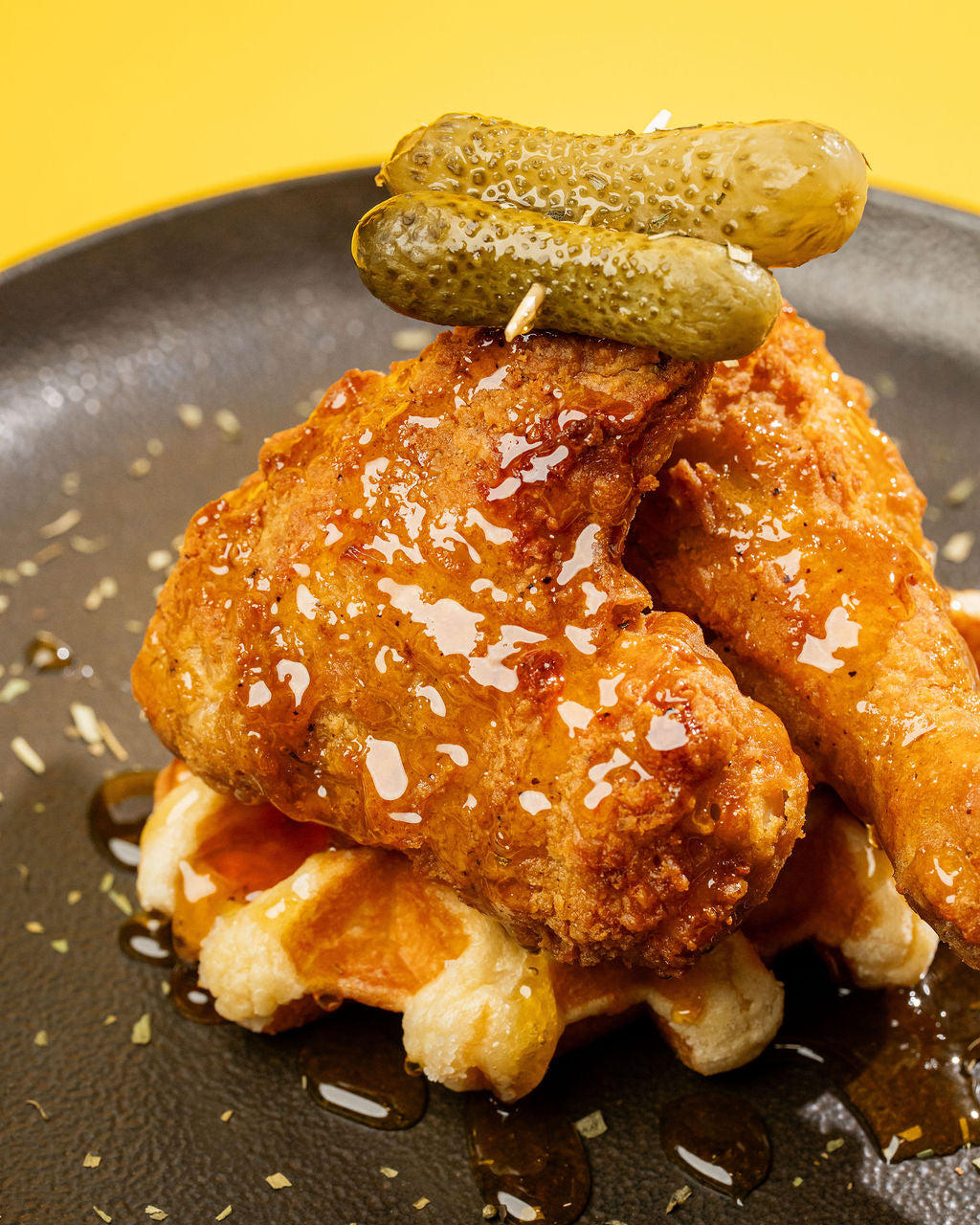
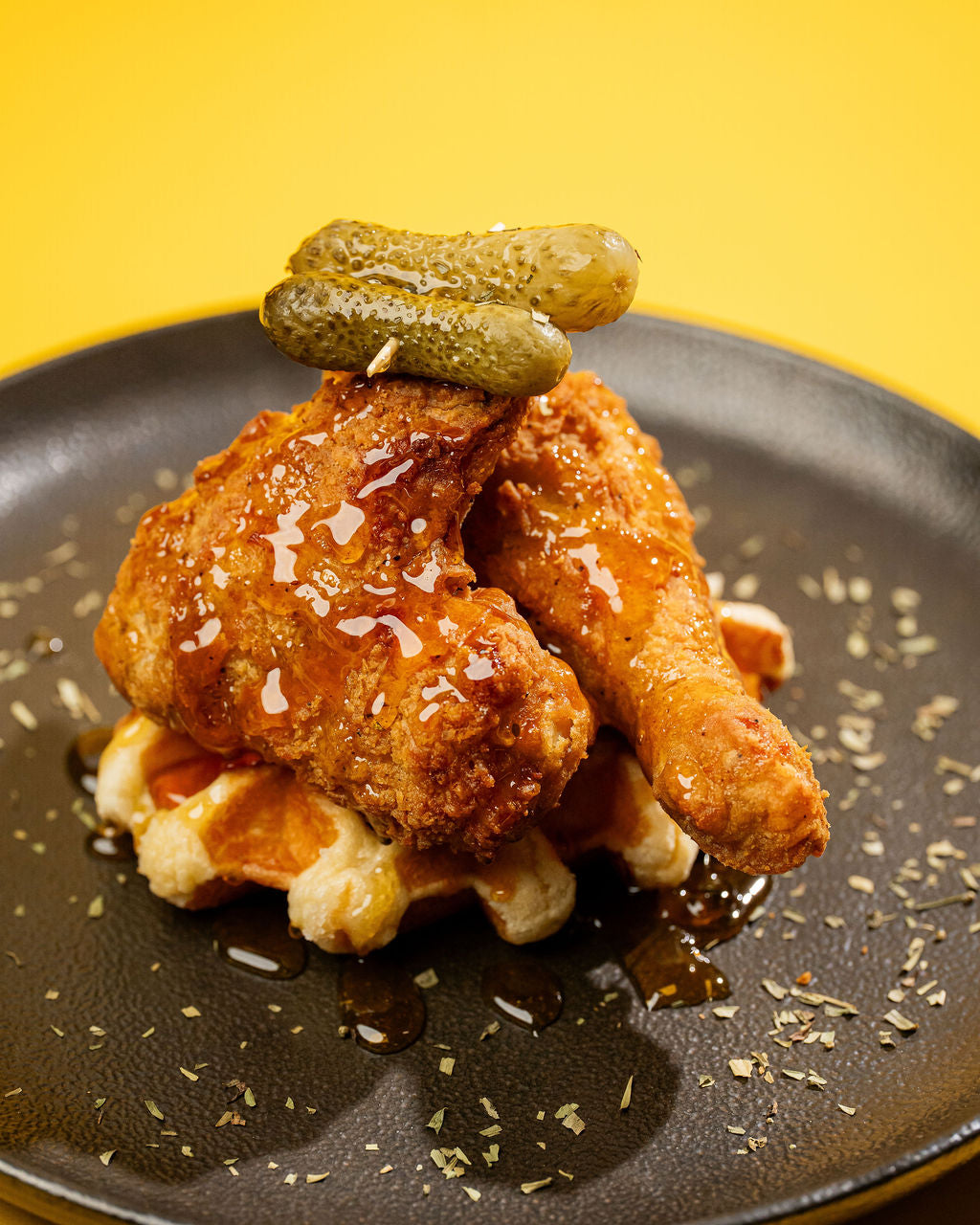
The crispy, delicious skin on roasted chicken or turkey.
-
The nutty flavour of french fries and potato chips.
A Deeper Appreciation for Flavour
Understanding the Maillard reaction provides a new lens through which to view cooking. It's not just about heating food. It's about facilitating a complex chemical process that creates the delicious, savoury, and complex flavours we crave. This knowledge transforms the act of cooking from a set of instructions into an appreciation for the science of flavour creation. When you toast spices, you're not just heating them. You're creating a whole new world of aromatic oils and volatile compounds.
If you'd like to experience a product crafted with a deep understanding of flavour science, the chilli oil we've been talking about is the perfect way to add a complex, savoury dimension to any meal. We don't toast the spices for fun; we do it for the incredible flavour it unlocks. It's about turning up the flavour beyond the ordinary.
Ready to Experience Deep Flavour?
Taste the result of flavour science. Transform your meals instantly with our perfectly balanced chilli oil.